

Discover Msè Muu, the special postpartum meal in Bamiléké culture—a unique blend of nutrition, therapy, and cultural identity that celebrates motherhood and community.
Keywords: Bamiléké postpartum traditions, African maternal health practices, Nkui sauce Cameroon, Traditional African cuisine, Postnatal care in African culture, Cameroon cultural heritage, Ubuntu and family life.
The Special Food for a Young Mother in Bamiléké Culture: A Blend of Gastronomy, Therapy, and Communion
It is well known in Bamiléké culture that a young mother receives a special diet after childbirth. This meal is called Msè Muu, which literally means “the child’s couscous.” It serves three essential purposes:
- Nourishing the mother so she can produce enough milk for her baby.
- Restoring her health after delivery.
- Strengthening the cultural bond that marks the child’s entry into Bamiléké identity.
Nourishing the Mother
Since the child is the center of attention, the mother—who nourishes the child—must be properly fed. The main dish for a young mother is couscous made from corn flour, wrapped in banana leaves. This couscous is eaten with a sticky sauce called Pfuu in Ghomala’, commonly known today in Cameroon as Nkui.
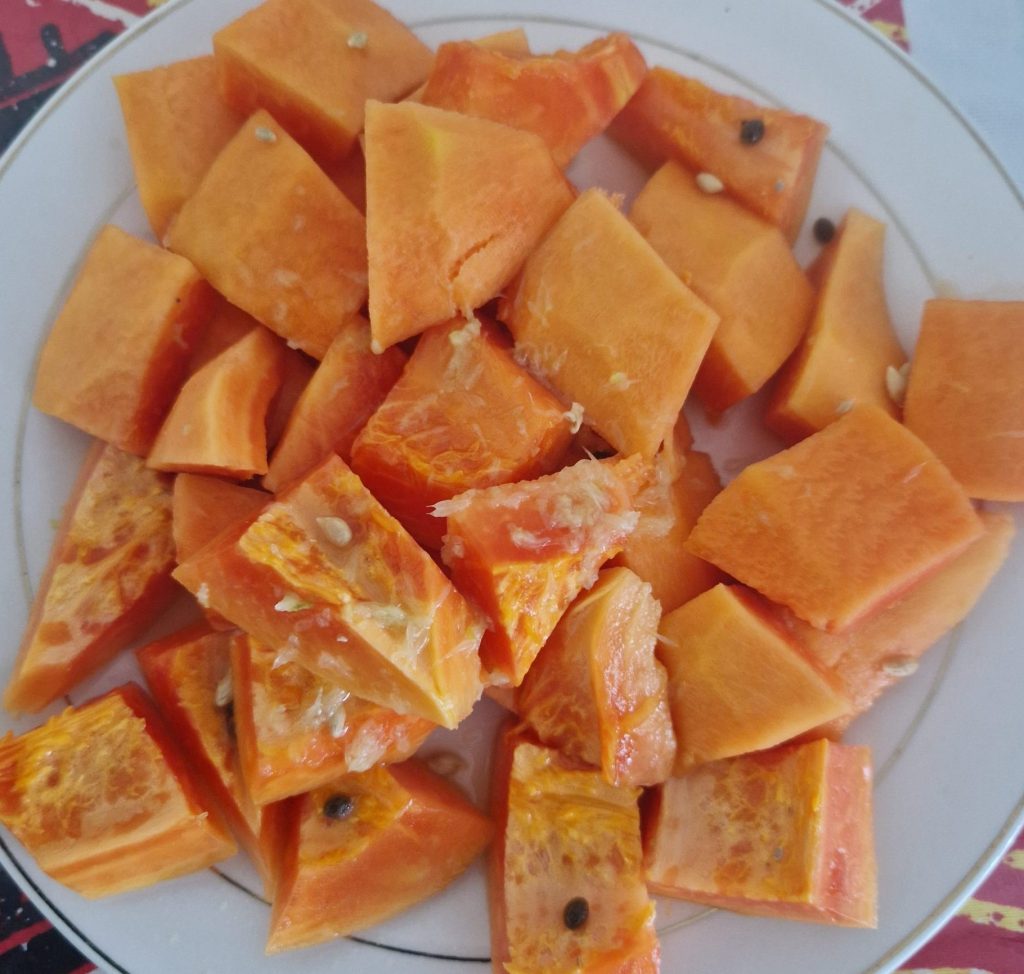
Alongside this special sauce, there is a green vegetable dish mixed with palm oil, onions, tomatoes, salt, and sometimes dried shrimp. After this hot meal, served by one of the elder women present, the mother can enjoy seasonal fruits like mango, papaya, avocado, and safou. She may also drink fresh raffia sap—a sweet beverage that becomes alcoholic when fermented.
Restoring Health
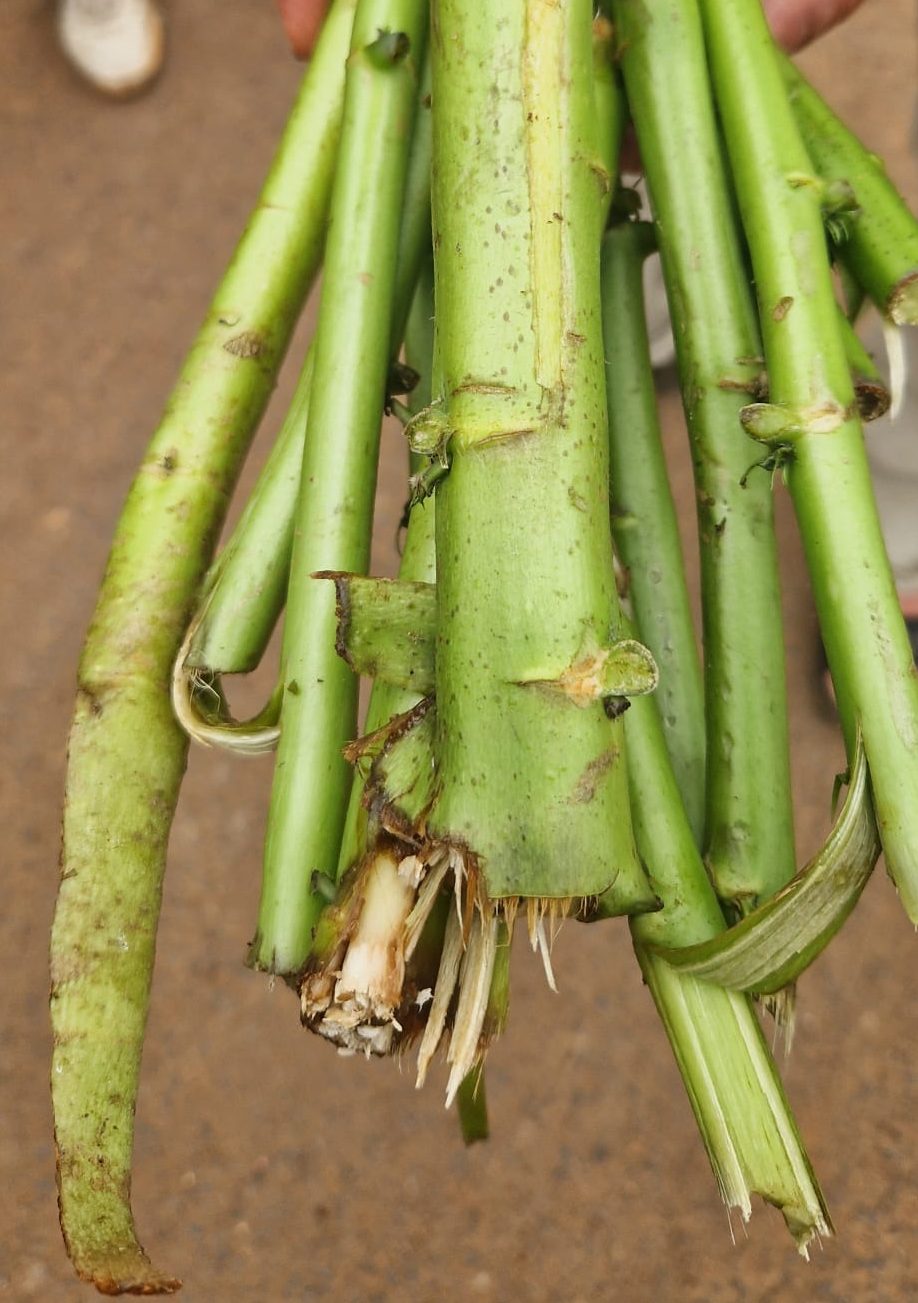
The Pfuu sauce is more than a culinary delight—it is therapeutic. It is prepared from a viscous liquid extracted by rubbing the bark of a herbaceous plant in hot water. To this liquid, more than fifteen different spices and condiments are added, each with well-known medicinal properties. By consuming Pfuu, the young mother receives essential nutrients to rebuild her body and strengthen her baby’s health.
An Identity Meal
Msè Muu is also a cultural symbol. Visiting a newborn means sharing this meal. After eating couscous with Pfuu, people often keep the unique aroma of its spices on their hands for hours—a fragrance that reminds every Bamiléké of their roots and the importance of the child in the community.
Food as health and food as communion—that is the essence of Msè Muu in Bamiléké culture. As I conclude, I invite younger generations to consider this: the nutritional and chemical composition of Pfuu could be studied in laboratories to share its benefits with other cultures. Likewise, its sociological significance could help us understand how food fosters identity and community bonds.
What is the traditional food for young mothers in your culture? Share your experience in the comments!
#AfricanCulture #BamilékéTraditions #Ubuntu #FamilyValues #CameroonHeritage #AfricanWisdom #Afrijohn #PostpartumCare #AfricanCuisine #CulturalIdentity