

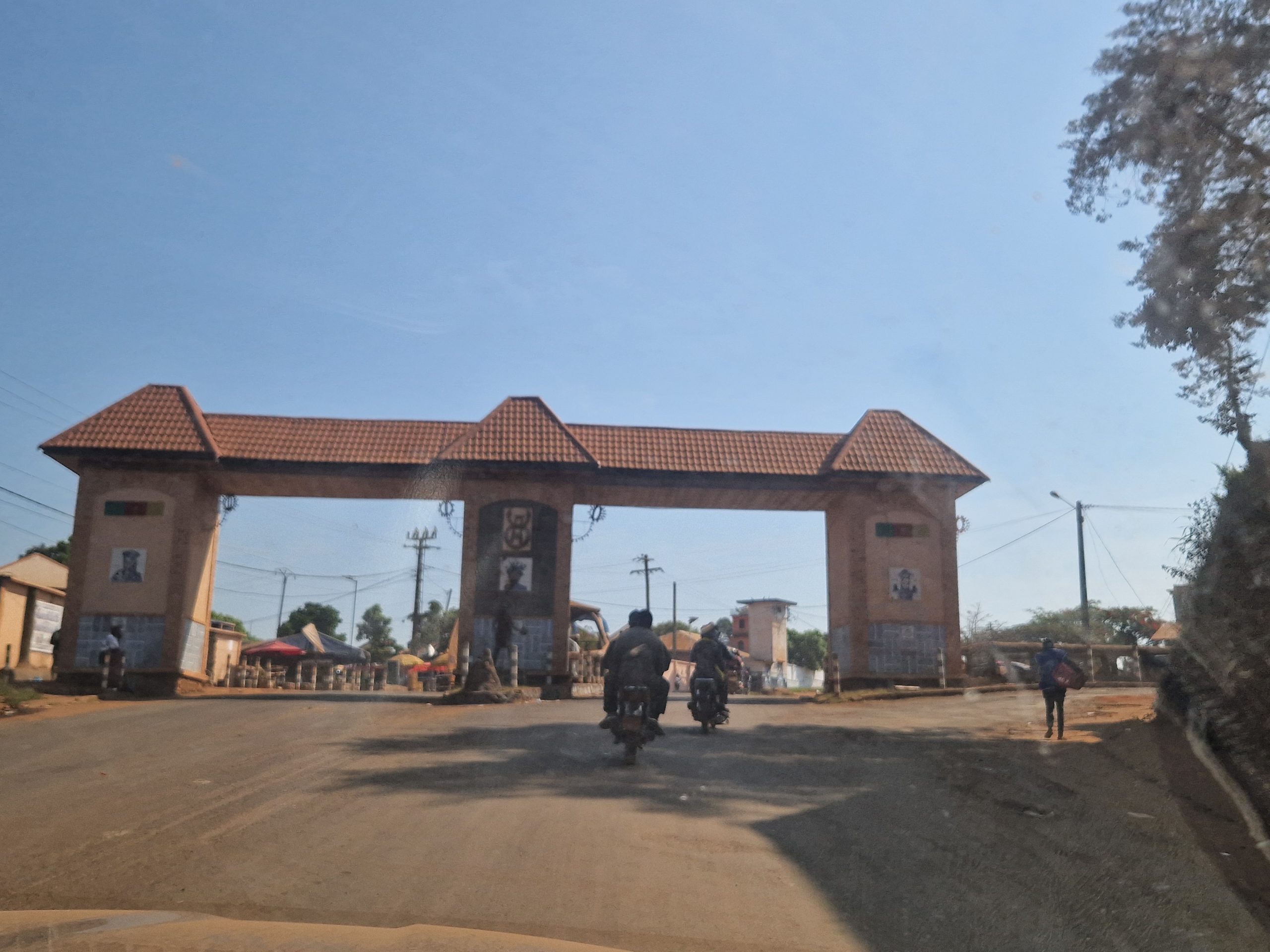
Imagine a world where every birth is much more than a simple biological event. Among the Bamoun people of Western Cameroon, the arrival of a child is a meeting between the visible and the invisible, between the family and the ancestors.
For more than five centuries, despite colonization and globalization, the Bamoun have preserved rites that connect every newborn to their roots. These practices are not mere gestures: they shape identity and destiny.
The Placenta: “rùù mùn,” the Man’s Chair
For the Bamoun, the placenta is not medical waste. It is rùù mùn, the man’s chair, the child’s first home. Once expelled, it is entrusted to the women of the family, who bury it under banana trees planted at the parents’ wedding.
During this ritual, they sing:
“mʉ́t rú ŋɛ́m mú u yʉ́ puə mɔ́n nu
Pü ka nuu pi paa ndɔ’ pi tɛ́t”
Translation:
“Your husband rejects you, you eat at your son’s.
We lay down as two and woke up as three.”
This gesture inscribes the child into the lineage of the ancestors. But beware: if the placenta is buried at the wrong father’s home, the child risks being cut off from their spiritual roots. 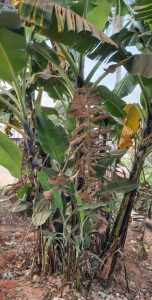
The Umbilical Cord: “ntuu,” the Link to the Earth
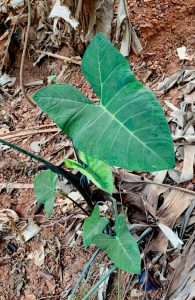
A few days after birth, the umbilical cord falls off. Among the Bamoun, it is called ntuu. It is buried in front of the door or near the kitchen so the child never forgets where they come from.
The elements used are symbolic:
- Salt = water
- Oil = blood
- “mbùpuet” leaves (Umbellatum) = heart
This rite is a reminder: no matter where life takes you, your land always calls you back.
The Name: “shie li,” the Eye of the Ancestors
Giving a name is not a simple aesthetic choice. The head of the family chooses a name from the ancestors’ repertoire. In Bamoun, li also means “eye”: the name is the window through which the ancestors watch their descendants.
Receiving an ancestor’s name means carrying their destiny. That’s why, when a child misbehaves, they are reminded: “The one whose name you bear never did that.”
The First Shaving: “kuom tu,” Purifying the Child
A newborn’s hair is considered a trace of the invisible world. It is shaved and buried at the edge of a sacred stream, a place between the living and the ancestors. This rite purifies the child and fully integrates them into the community.
Why Do These Rites Still Matter Today?
In a world where everything moves fast, these practices remind us of an essential truth: we are not alone. Every gesture, every song, every name is a bridge between generations. For the Bamoun, honoring the ancestors means preserving identity and spiritual balance.
And you? What do you think of these rites? Are they a cultural treasure to preserve or a tradition to reinvent?
Interesting