
An invitation to look into the Bamiléké spiritual universe: the diverse roles dedicated to religious and ancestral service, from family rituals to supernatural callings. An invitation to rediscover and preserve this cultural heritage
God Among the Bamiléké: The Plurality and Diversity of People Dedicated to Sacred Service
Growing up in my village in Bandjoun, I observed that there were several categories of people dedicated to religious and ritual service. I would be happy to be better informed about the nuances and differences between these roles by those who have deeper knowledge of the subject than I do. Therefore, in this article, I will simply describe what I have seen and heard, with the intention of opening a conversation with those who can better explain this reality, so that this heritage of humanity may be known and appreciated.
From the simplest to the most complex level, here is what I observed:
- Every person can speak directly to God from any place.
Prayers addressed to God may include thanksgiving, requests, or declarations of innocence after an accusation. - Within each family, the father has the responsibility to offer sacrifices on behalf of the family members.
He may do so through the ancestors found in the family house or at the family’s sacred site. Here, “family” may refer either to the nuclear family in a newly created compound or the extended family made up of multiple nuclear families sharing one or several common ancestors. - What the head of a family does for his household, the village chief does for the entire village.
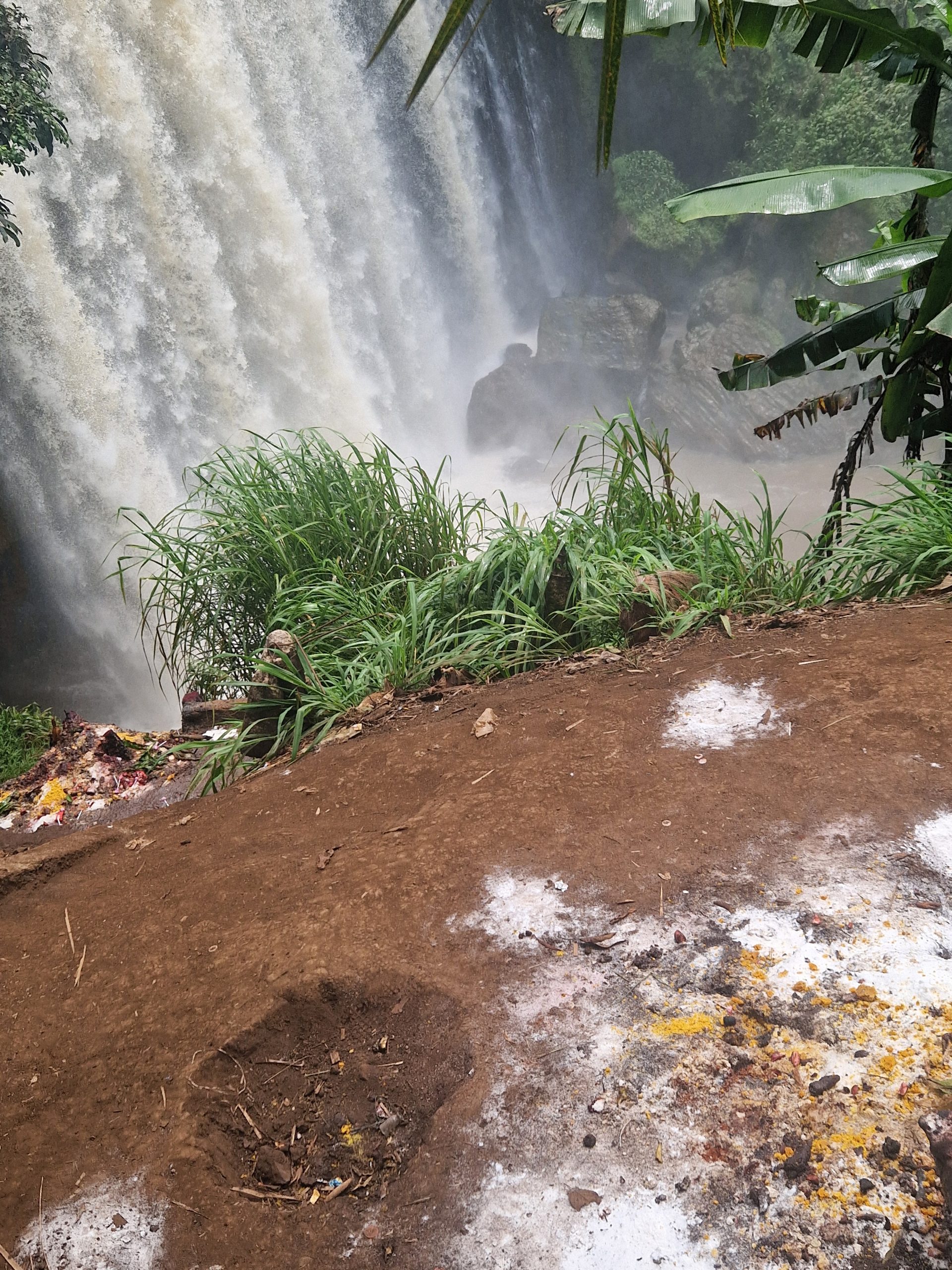
This includes sacrifices to ask God for rain when the dry season lasts unusually long. The chief may also perform sacrifices when the village faces an epidemic or unexplained misfortunes.
Beyond this “natural” line of responsibility, another category of service exists—one that belongs to the supernatural realm:
- The Nkamsi, men or women, are people “called” or chosen by God to serve the entire community through religious functions.
- The Gè Kè are individuals who possess knowledge of what might be called magic.
I am not entirely sure “magic” is the best translation, but the idea is that these people hold forms of knowledge unavailable to most. They are capable of doing things ordinary people cannot do—sometimes even exerting influence over the laws of nature. - The Gè Hwe are healers, both men and women.
They know the virtues of plants, animals, and minerals, and use these materials to treat the sick. - The Shen Gom are people who can consult destiny and foresee what is going to happen.
- The Theng shoop are individuals who resolve issues from the past by organizing reconciliation with a displeased ancestor, whether male or female.
As we can see, this is a rich universe of knowledge, skills, and ways of being that has developed over centuries. It is now our generation’s responsibility to use the means available to us to transmit this heritage to the generations to come.
A genuine relationship with God is that which brings unity and not division!