
Discover the meaning of initiation in Bamiléké culture—a lifelong process of social birth shaped by language, traditional trades, and intergenerational learning.
Child Initiation Among the Bamiléké: A Lifelong Journey of Social Birth
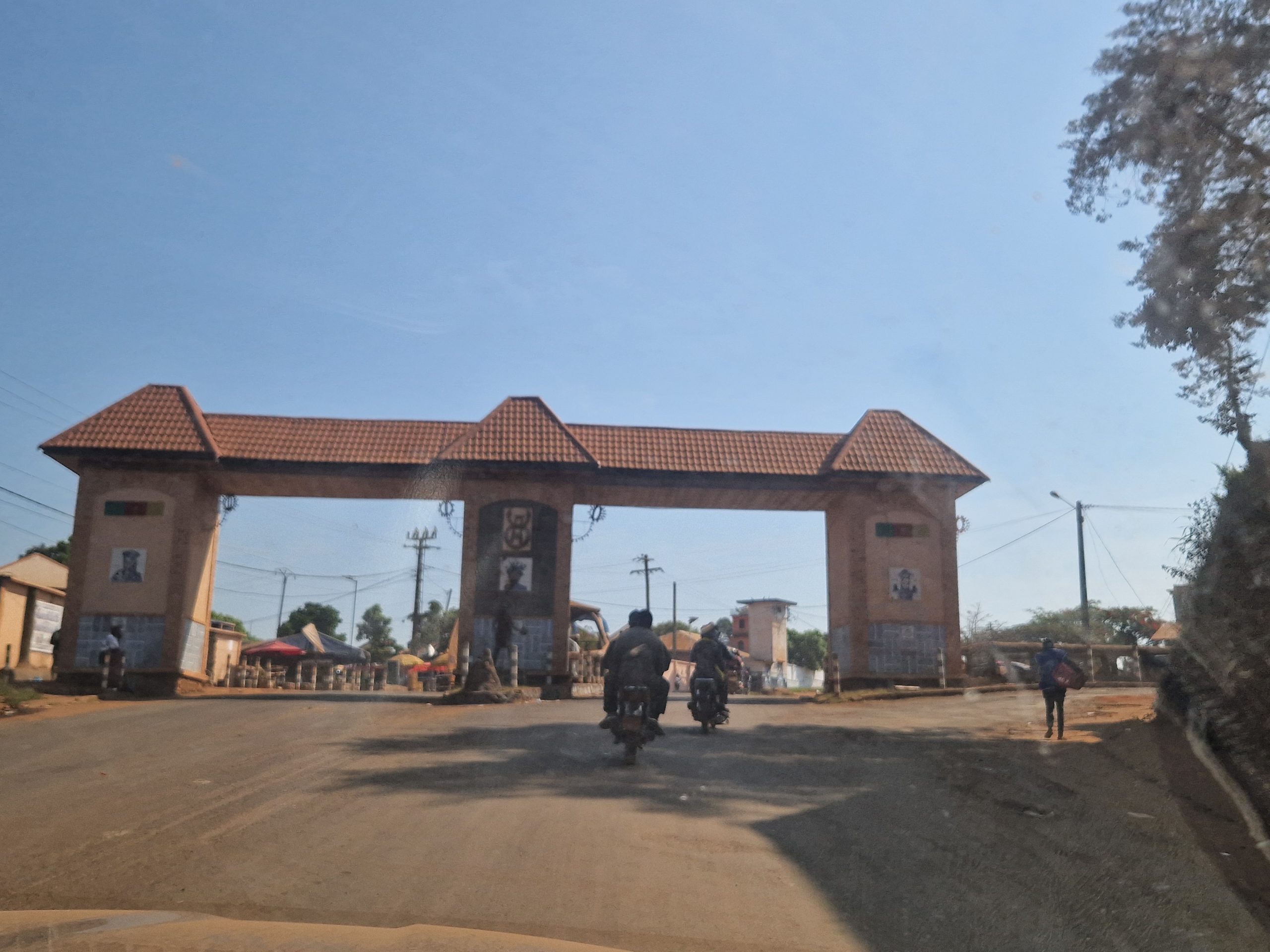
In previous articles, I shared memories about the context surrounding a child’s birth in Bamiléké society. Some of these practices are no longer carried out exactly as they were when I was growing up in Bandjoun. I believe traditions can—and should—be adapted to changing times, as long as their core meaning is preserved.
In the coming articles, I invite you to explore certain aspects of initiation in Bamiléké culture. I propose understanding initiation as a kind of social birth. Through physical birth, the newborn enters the world; through initiation, the child becomes a member of society, shaped by rituals, teachings, and learning.
Initiation begins before birth and continues throughout life—even beyond death, connecting the three communities: the ancestors, the living, and those not yet born.
Language: A Central Vehicle of Initiation
Speech holds extraordinary importance in African cultures, and particularly among the Bamiléké. Through spoken words one blesses—and through words one can also curse. Speech is at the very heart of initiation. Agreements are sealed by spoken commitment, not necessarily by written documents.
The word of a king, patriarch, or matriarch carries deep authority. Their voice guides younger generations.
This powerful speech is expressed in Ghomala’, the village language. Every word has meaning; the rhythm and combination of words create speech that can bind or unbind, heal or wound. Translations rarely capture the full depth of meaning. To understand fully, one must learn the language itself.
This is what the child does during the early years—by listening, watching, mimicking, and speaking. Although we call it the “mother tongue,” it is often the older children who teach the newborn best.
Trades: Essential Pillars of Initiation
The skills a child learns depend on the environment in which they grow up. These trades are fundamental for life and survival.
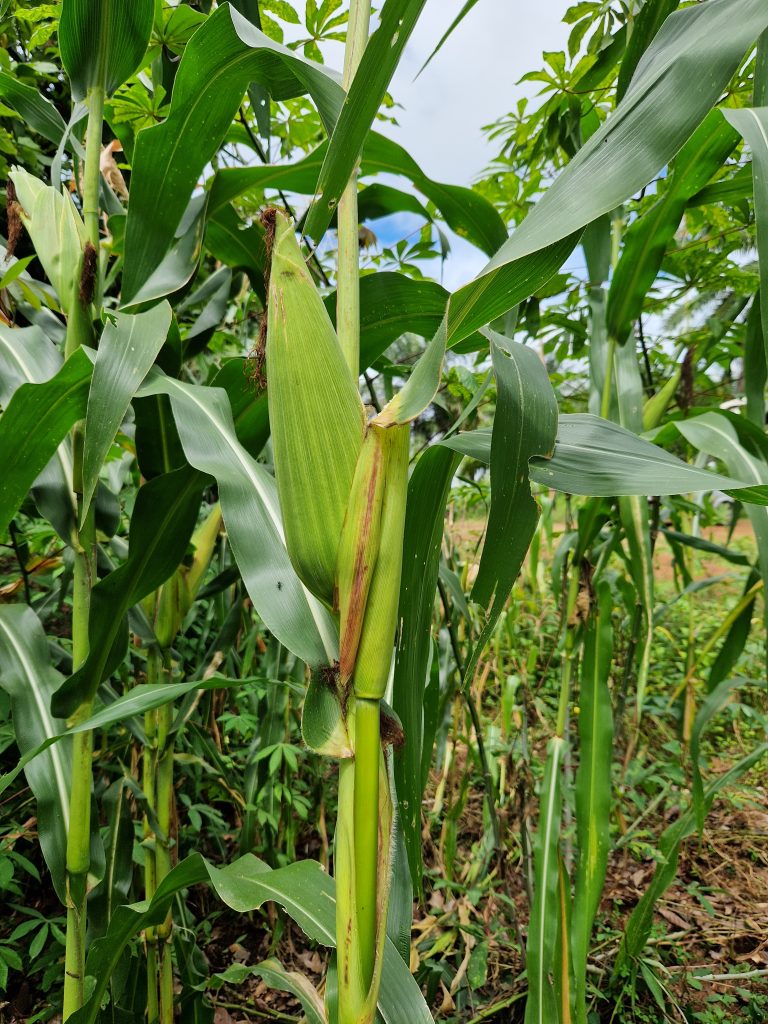
I grew up in Bandjoun with my parents, who taught me agricultural work necessary for subsistence. With my mother and grandmother, I learned to sow and harvest maize, beans, yams, cassava, and other local crops.
From my father, I learned how to build living hedges, extract raffia wine, and work in the coffee plantation. Thanks to him, I learned everything about coffee cultivation—from planting to harvesting and selling the beans at the village cooperative.
I also learned blacksmithing from Ta Defo, the village blacksmith. As children, we were fascinated. After school, we rushed to his workshop to watch him work. It felt miraculous: he would enter the forge with a piece of iron and emerge with a knife, hoe, or planting tool. He had the skill of transforming scrap metal into beautiful utensils and working tools.
Among children, we also learned to make baskets and chairs from raffia bamboo. Raffia was our universal material—we could create almost anything from it. I will dedicate an entire article to raffia.
And You?
What does initiation look like in your culture?
Do you have memories or stories about your own initiation?
Share them with us in the comments.
#AfricanFamily #ChildhoodInAfrica #NewbornTraditions #FamilyValues #CommunitySupport #VillageLife #IntergenerationalWisdom #RaffiaCulture #TraditionalCrafts #SustainablePractices #HeritageSkills