

Discover how young Bamiléké men gain autonomy by “cutting the second umbilical cord,” requesting land, and building their first hut—guided by solidarity, tradition, and communal wisdom.
Initiation into Wealth in Bamiléké Country: Cutting the Second Umbilical Cord
The expression “second umbilical cord” may seem strange if one thinks in a strictly material sense and does not perceive that this refers to a symbolic umbilical cord. Let me summarize the recent articles so readers can follow the current narrative more easily.
Up to this stage of his initiation, the young man has been connected, in one way or another, to his mother. She has been his first treasurer; she helped him buy his first chicken and sell his first chicks. It is also on her hut that he built his first shelter.
Now, with his income—earned from selling part of his chickens and goats—and with the earnings he receives from his godfather, he can begin to think about establishing himself on his own.
Requesting a Plot of Land from the Head of the Concession
This is an important moment in the growth of a young man among the Bamiléké. When he feels mature, he asks the head of the concession for a piece of land on which he can build his own hut.
I intentionally use the expression “head of the concession” to highlight the difference between the term Tá meaning biological father, and Tá meaning the leader of the concession.
Every extended family descends from the founder of the concession. This founder settled long ago on a large piece of land. It is on this land that he installed his sons when the time came for them to build their own huts. One of these sons becomes his successor and continues to be the “father of the concession.” It is to him that all the sons of the concession come to request a plot of land to build their hut.
Naturally, one does not come empty‑handed. Each young man arrives with the means needed to show the head of the concession that he is ready to spread his wings. In Ghomala’, this request is called “Lo Pé,” meaning “asking for land.”
Building the First Hut: One Hand Alone Cannot Tie the Bundle
Building the first hut is a powerful demonstration of solidarity among the Bamiléké. It is the moment when one discovers the strength of the network the young man has built throughout his childhood. You never build your hut alone; you build it with others.
Among these helpers appears, with a certain pride, the young man’s mother. She is usually the one who prepares the food for the workers—technicians, relatives, and friends—on the day they come to build.
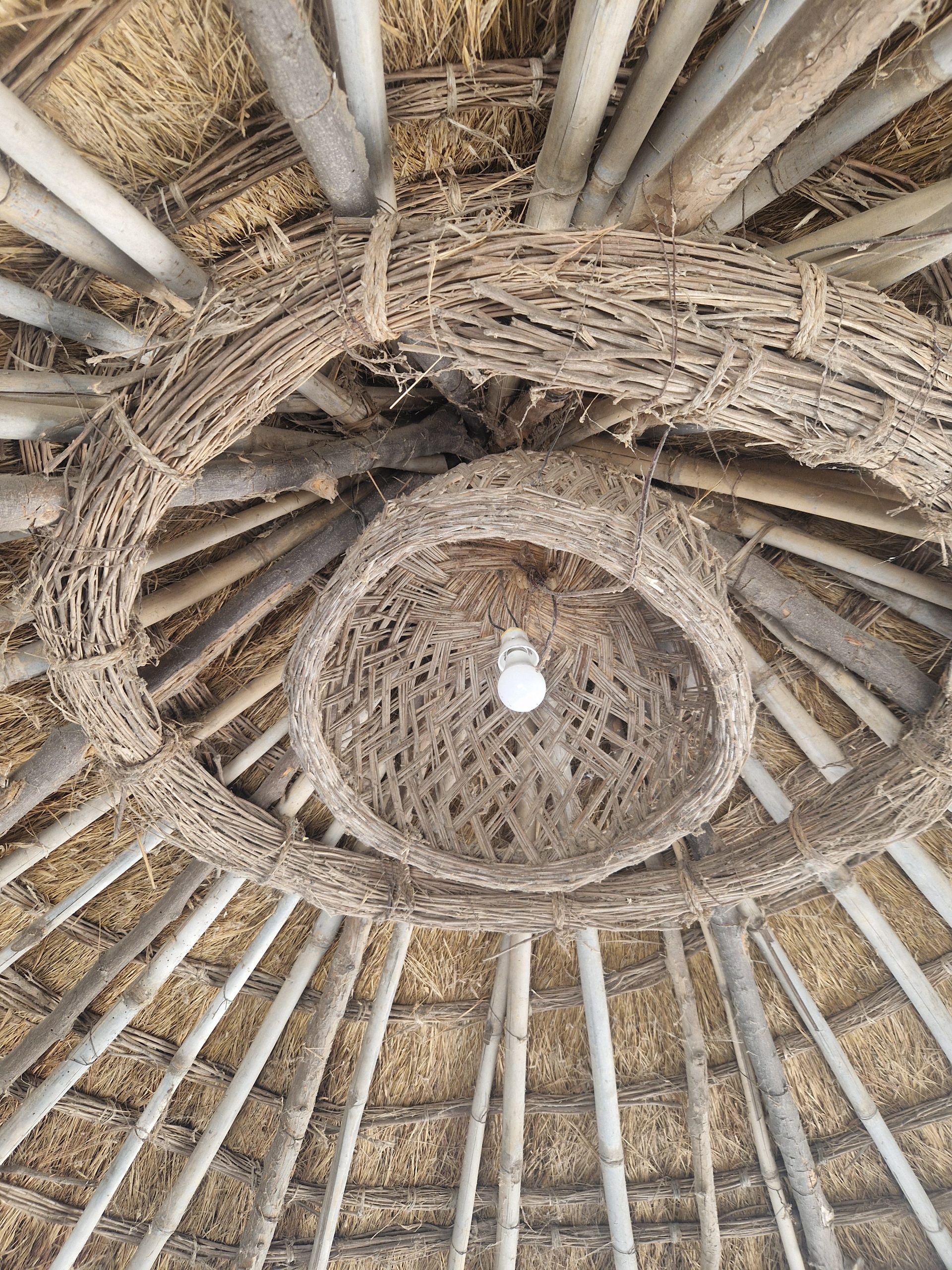
Before the day of construction, there is a long period during which the young man gathers the materials for his hut. I choose here to describe how houses were built with local materials, as it was still done when I was a child. Others may speak about construction with modern materials.
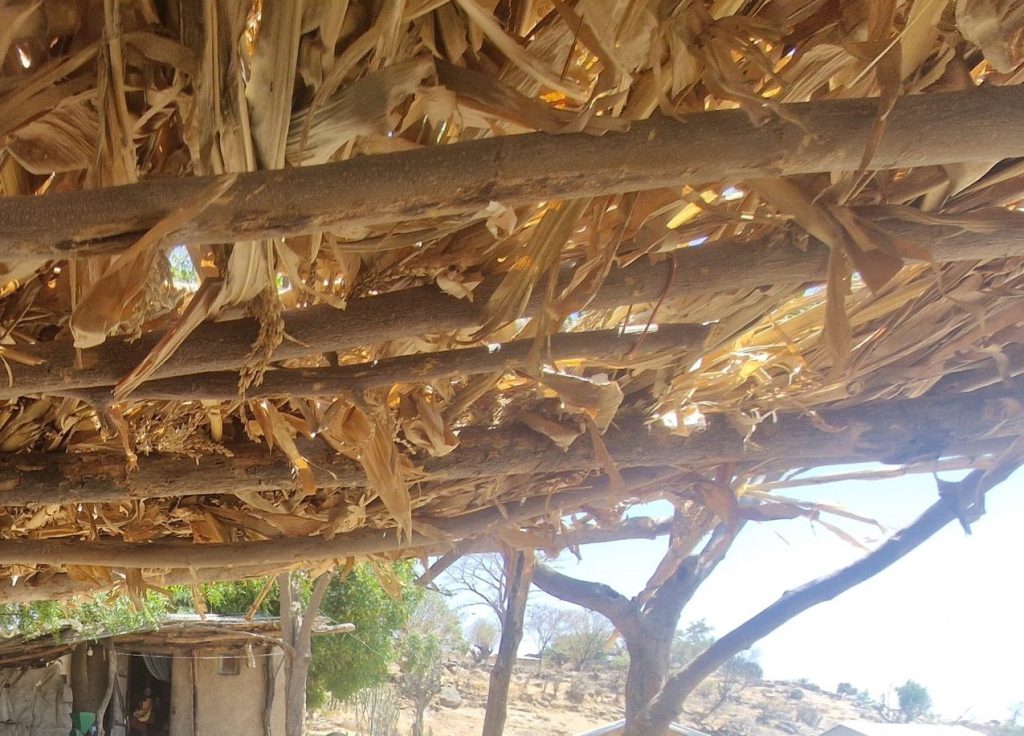
Traditional local materials include: raffia bamboo (ubiquitous), straw, vines, trees, and earth.
The tools used include: machete, knife, hoe, and sometimes a saw.
This type of construction is in perfect harmony with nature—from which the materials come, and to which they return at the end of the hut’s life cycle.
Building the first hut generally takes place in the dry season and unfolds in several phases. Throughout these phases, solidarity extends to nearby families who also send food for the workers.
Meanwhile, news spreads through the village:
“So‑and‑so is building his first hut.”
Adults come to visit and offer advice. Young girls also come—and perhaps one of them will be the one who will give life to this hut. Tomorrow, I will tell how this story concludes in my culture.
And You?
How does a young man gain autonomy in your culture? Share your story in the comments.
#Afrijohn #BamilékéTraditions #AfricanCulture #CameroonHeritage #EconomicInitiation #YouthDevelopment #TraditionalEducation #Ubuntu #IndigenousKnowledge #WealthBuilding