
The Bamiléké people of western Cameroon embody a remarkable model of unity in diversity. This article introduces a new series exploring their decentralized administrative structures and the cultural elements that hold them together.
The Administrative System among the Bamiléké People : Unity in Diversity
Today, I want to begin another series of articles. One of the subjects that has always fascinated me about the Bamiléké people is their unity within extraordinary diversity.
A Model of Decentralization
No one knows exactly how many Bamiléké chiefdoms exist today. Over the course of history, and due to various political decisions, Cameroon’s administrative system has divided the Bamiléké across the three regions of the Greater West.
There is no central government for the Bamiléké people, yet all recognize themselves—and are recognized by others—as members of a large, unified cultural group.
There is no common language spoken by all Bamiléké. In fact, the differences between languages can be so significant that a Bamiléké from Tonga must consciously learn the language in order to understand a Bamiléké from Babadjou.
And yet, all still recognize one another as Bamiléké.
This naturally raises some questions:
What are the elements that make up this unity? And what explains such diversity?
I will leave these open for those who have done—or may do—advanced studies in ethnology, anthropology, or sociology. In this series, I will simply share the observations I have gathered during my visits and stays in several administrative centers across Bamiléké country.
To begin, here is a simple question for you:
What do you know about the administrative structures within the Bamiléké communities?
Share your observations in the comments.
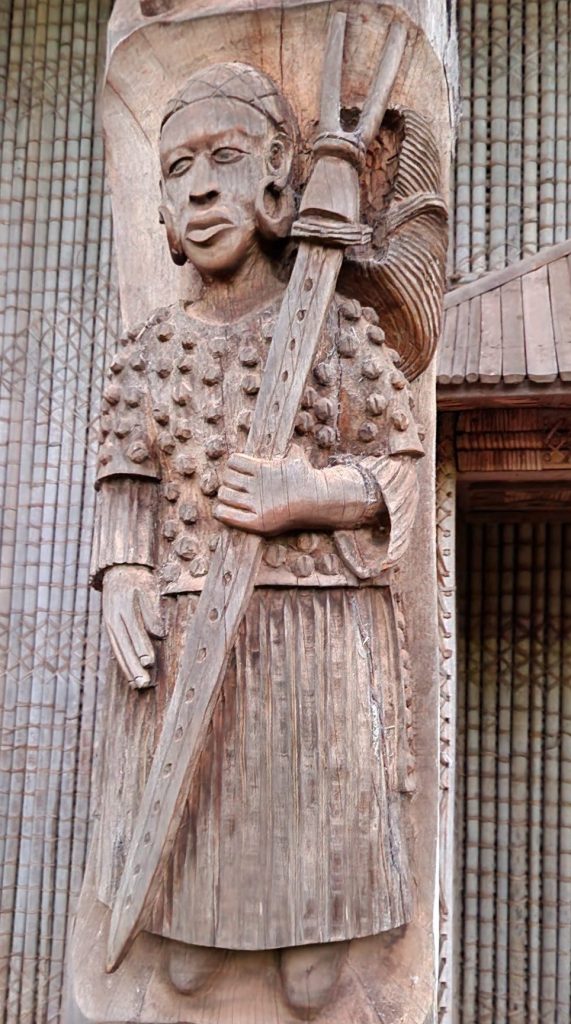
Administration for the Bamileke people means unity in diversity!