
Discover the cultural meaning behind offering a rooster to a guest in Central African villages. More than food, it’s a ritual that celebrates hospitality, family, and social bonds.
Keywords: African hospitality, Cameroon traditions, guest welcome rituals, African culture, symbolic meals, rooster offering.
The Rooster Offered to a Guest: A Living Tradition of Hospitality
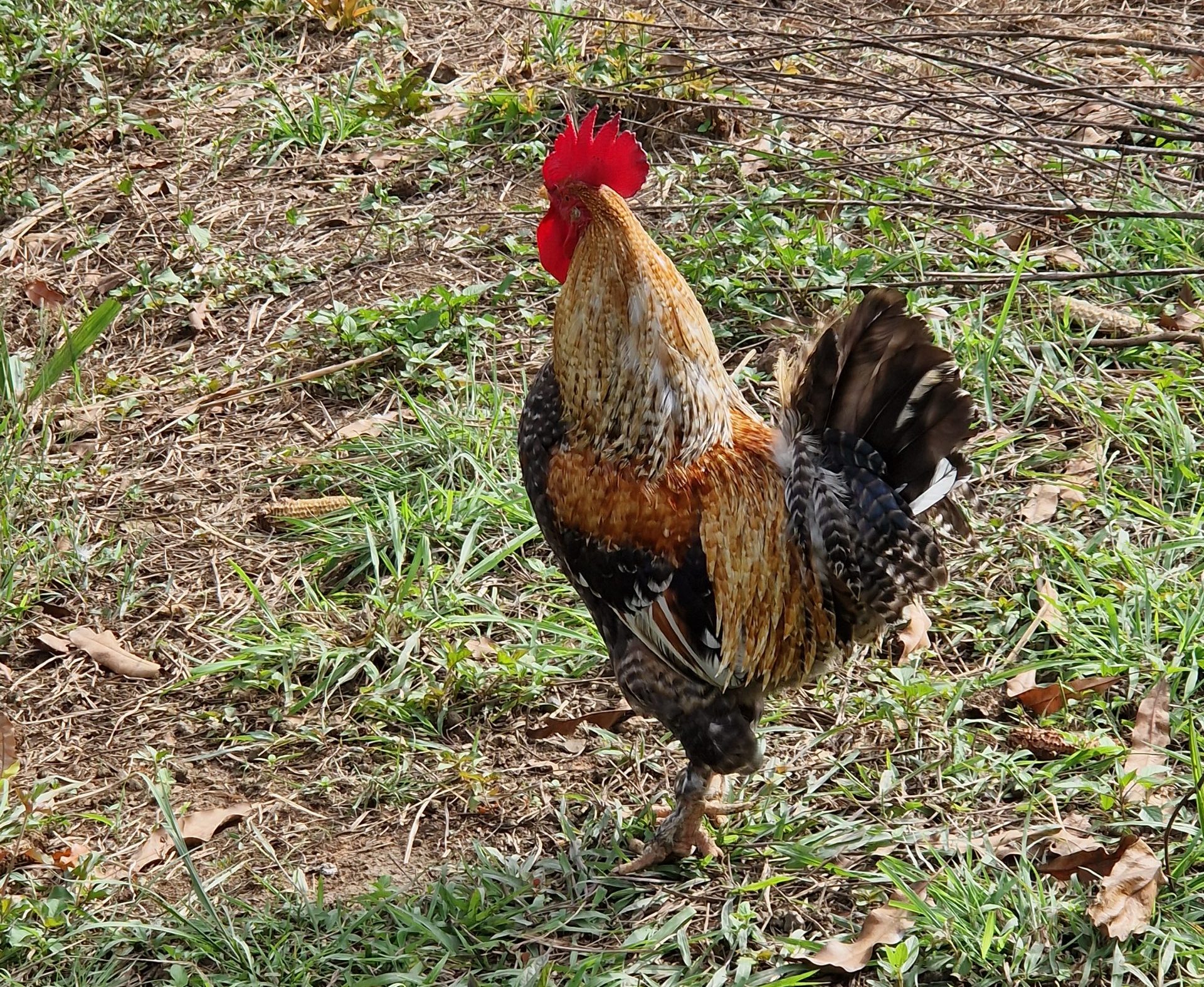
In many villages across Central Africa, especially in Cameroon and Equatorial Guinea, welcoming a guest with a rooster is far more than a culinary gesture. It’s a ritual rich in symbolism, reflecting the depth of the relationship between host and visitor. This ceremonial meal unfolds in three key stages, each with its own actors and rules.
- Choosing the Rooster: A Sign of Respect
Upon the guest’s arrival, the head of the household decides which rooster will be served, based on the importance of the relationship. In many families, this responsibility falls to the mother, as the chickens belong to her. The father may also take charge if he owns roosters. This choice is never random—it expresses the value placed on the guest.
- Preparing the Rooster: A Team Effort
Once selected, the children take on the task of catching the rooster—a challenge that can involve clever tricks, like scattering corn kernels to lure it. Some roosters seem to sense danger, forcing the children to chase them for up to half an hour.
After capture, the mother or an experienced adult kills the rooster and hands it back to the children for plucking. Hot water, prepared in advance, makes this easier. Finally, the mother performs the cutting, following cultural norms: a rooster is never cut just any way.
- Sharing the Meal: A Ritual of Division
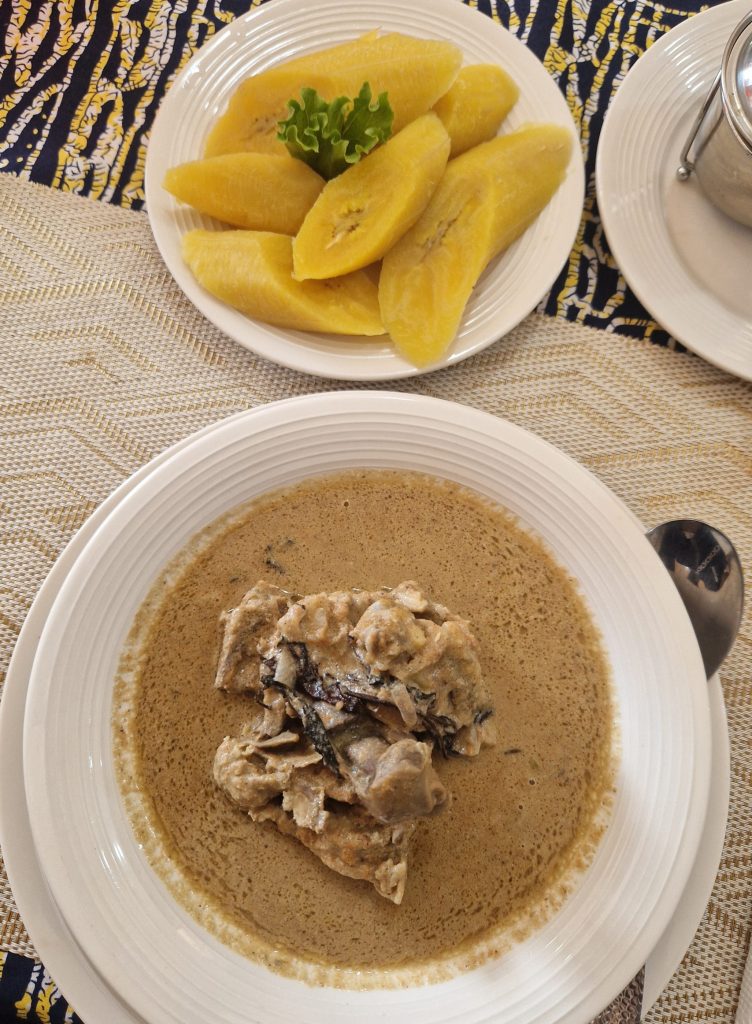
When the rooster is cooked, the sharing follows strict cultural codes. In some traditions, the whole rooster is placed before the guest, who divides it. In others, the mother handles the distribution.
Each part carries meaning:
- The gizzard, considered the essence of the rooster, goes to the honored guest or the father.
- A thigh often accompanies the gizzard for the guest.
- The breast, with more meat and fewer bones, is reserved for children and elders with weak teeth.
- Wings, ribs, and legs are shared among other adults.
This ritual isn’t about quantity—it’s about symbolism: participating in a meal that celebrates joy and strengthens bonds. It honors an existing relationship and helps create new ones, especially with the involvement of children.
A Rite That Speaks Identity
Offering a rooster says, “You matter to us.” It embodies African hospitality, where food becomes language, memory, and a promise of connection.
What about you? Does your culture have a special way of welcoming guests? Share it in the comments!
In my next post, I’ll talked about the meaning of family in my culture. Stay tuned