

Discover Yo Muu, the Bamiléké tradition of visiting a newborn—an act of solidarity, generosity, and Ubuntu that strengthens family and community bonds.
Keywords:Yo Muu tradition, Bamiléké newborn customs, African family solidarity, Cameroon cultural practices, Ubuntu philosophy, Bandjoun traditions, Community support in Africa
Yo Muu (Seeing the Baby): The Visit of a Newborn by Family and Friends in Bamiléké Culture
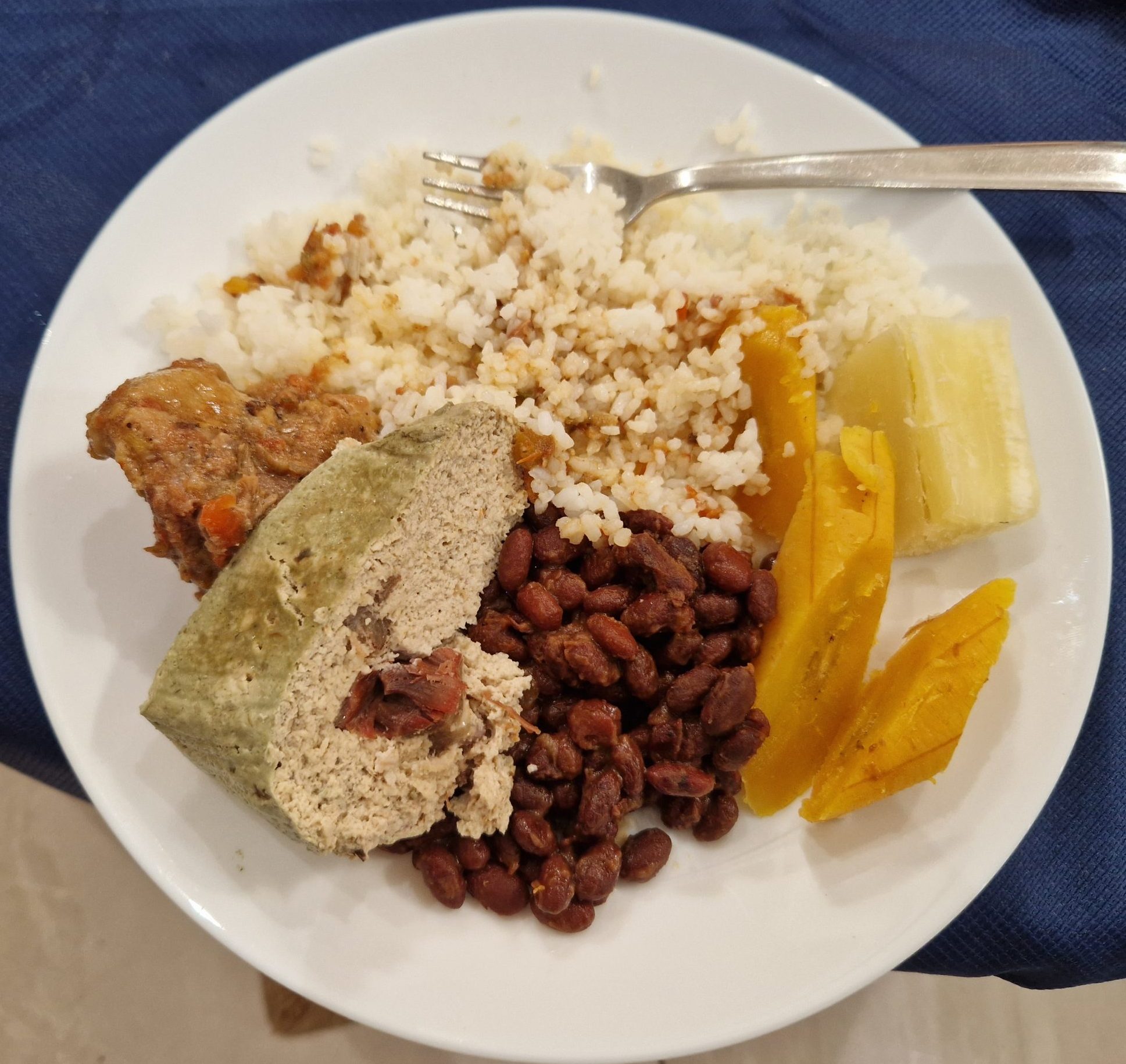
After exploring the special contribution of children in welcoming a newborn, today we widen the circle to include friends and close relatives. They come for what is commonly called Yo Muu, literally “seeing the baby.” This expression is widely used among Bamiléké communities—and beyond. Visiting a newborn is much more than a simple gesture; it is a profound act that strengthens social bonds.
Is It Simply “Seeing the Baby”?
If one limits the expression to its literal meaning, Yo Muu might seem like nothing more than glancing at the newborn and confirming that one has seen the child. But among the Bamiléké, Yo Muu goes far beyond that. It carries deep meaning for both visitors and the newborn’s family.
What Seeing the Baby Means for Visitors
Preparing to visit a newborn is an intentional act. Visitors consider the needs of the family and bring thoughtful gifts accordingly.
For Women
Women usually arrive with baskets made from local materials—raffia bamboo or straw—filled with food supplies such as:
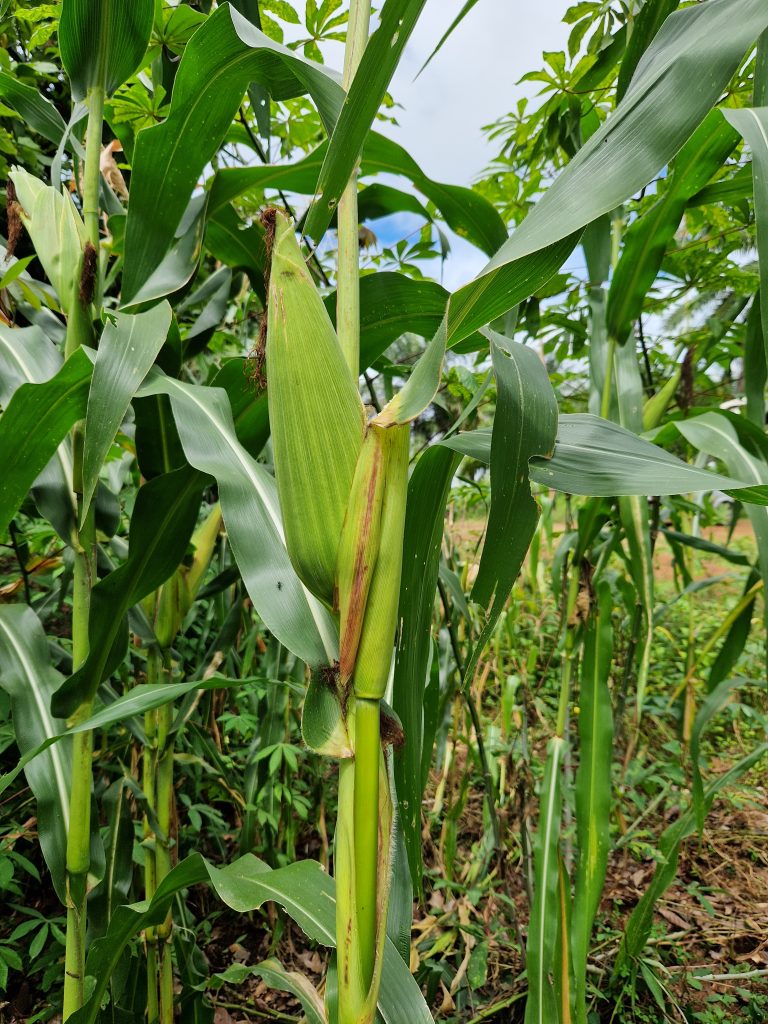
maize, yams, sweet potatoes, groundnuts, beans.
For Men
Men often bring:
coagulated palm oil wrapped in banana leaves, soap, freshly collected raffia sap, game meat (if it is not forbidden for the mother).
The variety of gifts depends on several factors:
the closeness of the relationship, personal means, the creativity of each visitor.
Some visitors even bring money, giving the young parents full freedom to use it for the baby as they see fit.
What Seeing the Baby Means for the Newborn’s Family
For the newborn’s family, the number of visits demonstrates the strength of their social connections. It often reflects the family’s own reputation for generosity.
The underlying logic is well understood in the community: “You visited my child with great generosity; I will visit yours with equal or greater generosity.”
But Yo Muu also has a practical dimension. The food brought by visitors:
- helps the new parents manage the early months of childcare
- is used to prepare meals for future visitors
- creates a continuous cycle of giving and receiving
Yo Muu: A Living Expression of Ubuntu
A deeper look at Yo Muu reveals the heart of African ethics: Ubuntu.
Seeing the baby is an act of solidarity. Young families know they can rely on the extended family, friends, and the entire community.
Ultimately, Yo Muu is a living translation of the African proverb:
“It takes a village to raise a child.”
Does your culture have a tradition similar to Yo Muu? How is it expressed? Share your experience in the comments!
#AfricanCulture #BamilékéTraditions #Ubuntu #CameroonHeritage #Afrijohn #FamilyValues #CommunitySupport #AfricanWisdom #CulturalIdentity #NewbornCustoms