

Discover how Bamiléké boys progress from raising goats to diversifying income through mentorship, craftsmanship, and community‑based economic learning.
Initiation into Wealth among the Bamileke people : From the Goat to Income Diversification
The turning point in the life of a young man in Bamiléké country occurs around the multiplication of his goats. Starting from the initial goat, the combination of luck and proper care given to the kids will—or will not—open the door to financial autonomy. This period of life generally coincides with the moment of initiation into a trade. It is at this stage that the young man’s network of relationships expands to include another decisive figure: the godfather.
The Figure of the Godfather
I use the word godfather here simply to be understood by those unfamiliar with our culture. In Ghomala’, the godfather is also called Tá, which simply means Father. The godfather is essentially the “father of the youth” of the young man, just as the father of his adolescence is the one who accompanied him to buy his first goat.
Choosing the “father of youth” is a delicate decision that the young man may take himself if he is perceptive enough to make the right choice. Otherwise, it is the biological father who entrusts his son to a friend or a close relative who has mastered a craft.
The godfather is the one who initiates the young man into an art. It is with him that the youth spends most of his time—observing how he works and how he lives. The godfather gradually shares the knowledge of his craft while testing the young man’s resilience, patience, and endurance. Many children keep unforgettable memories from this stage of their lives.
If the relationship is very strong, the young man becomes practically like a son to his godfather, sometimes even receiving inheritance rights to some of his possessions. If, however, the relationship is not very good, the young man may look for another godfather, or simply maintain a working relationship with the one he will then call Tá Fa’—the father of work. In return, this “father of work” will call him Mu Khuu, meaning disciple.
The First Steps Toward Autonomy
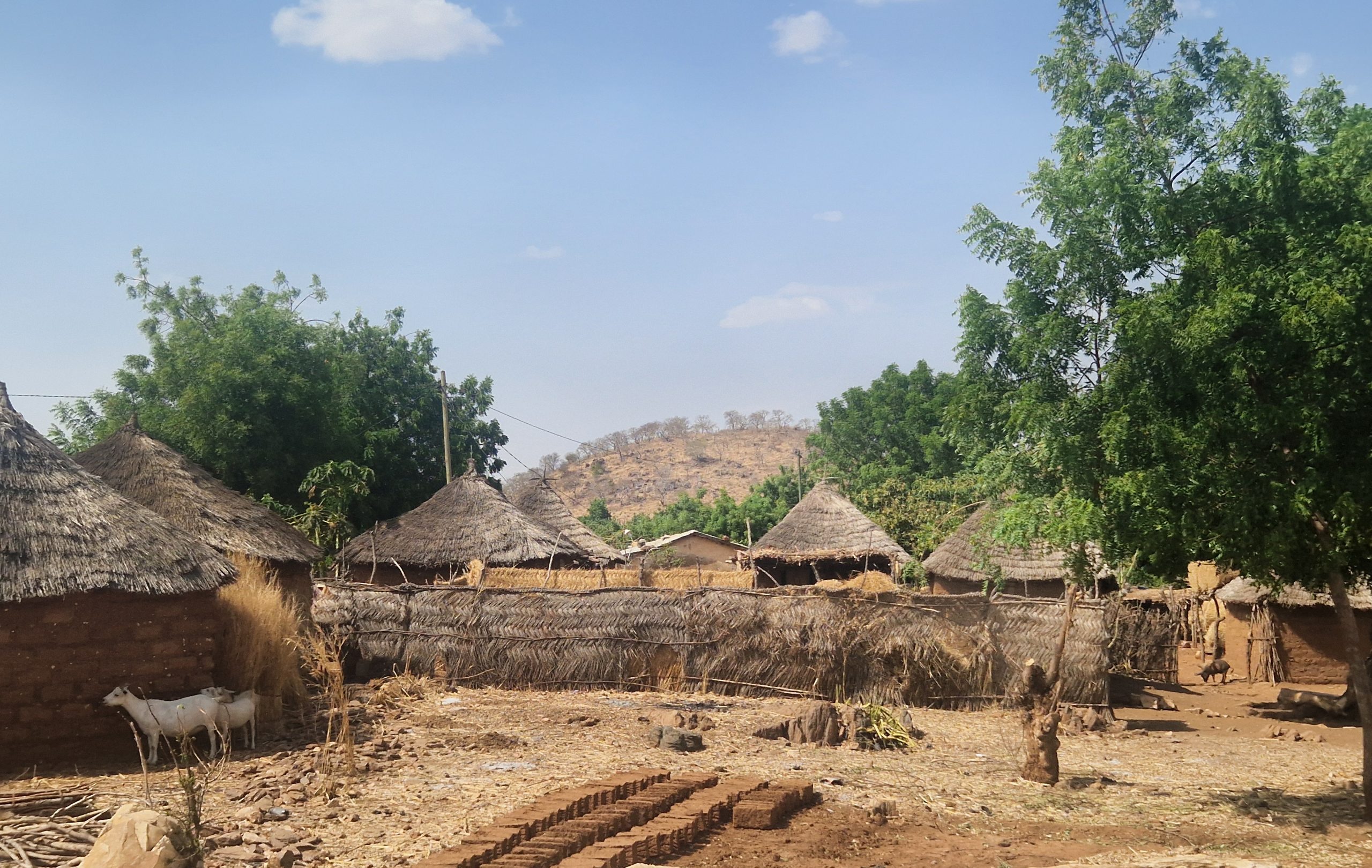
At this stage of his growth, the young man is already capable of leaving his mother’s hut to build his own room. This first room is called Pá Beng, which means “to lean against…” because it is essentially an extension built directly beside his mother’s hut. The parents are usually very pleased when he succeeds in building a Pá Beng that harmonizes with the original house and keeps it clean and well‑maintained.
From now on, it is in his Pá Beng that the young man spends his nights, wakes early to take his goats to graze, and stores maize to feed his chickens. It is from his Pá Beng that he goes to work with his godfather.
During these years, the young man saves as much as possible to prepare for the next stages of his initiation—stages that are more demanding and more costly. At this age, he may also join a Shua’, a local savings group or rotating credit association. I will soon publish a full article to explain how the tontine system works in Bamiléké society.
And You?
How do young people transition from adolescence to youth in your culture?
Share your experience in the comments.
#Afrijohn #BamilékéTraditions #AfricanCulture #CameroonHeritage #EconomicInitiation #YouthDevelopment #TraditionalEducation #Ubuntu #IndigenousKnowledge #WealthBuilding