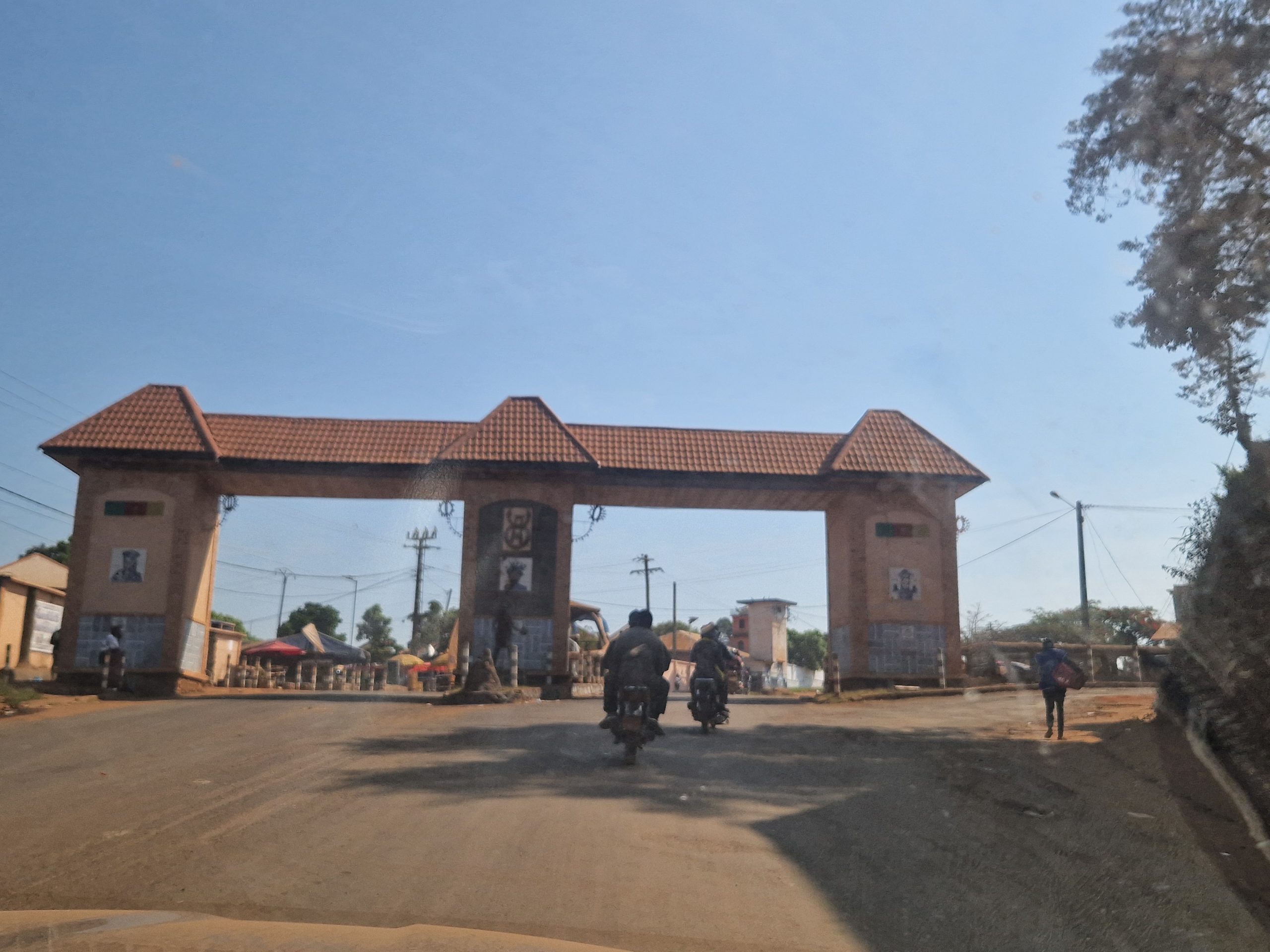

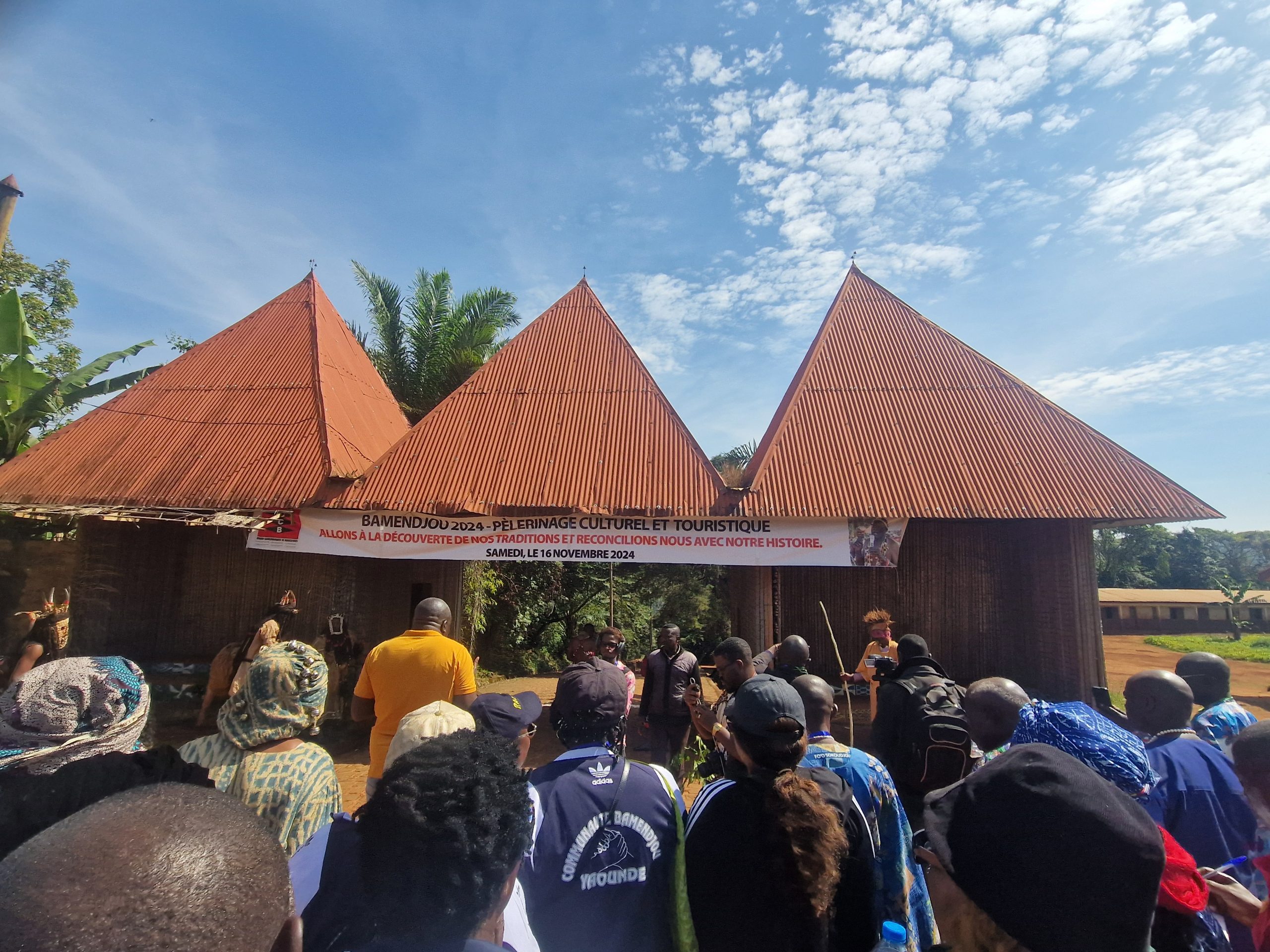
I return after a period of silence to continue sharing with you the African worldview. You may have noticed that I paused at the very moment when many Bamiléké villages were celebrating their great biennial festivities. I should have mentioned earlier, when I wrote about the Bamiléké conception of time, that their calendar also follows a two-year cycle. Ceremonies such as the initiation of young men in each neighbourhood, and the grand gathering of the village’s sons and daughters, take place every two years.
To give you a sense of what 2026 looked like: in Bamendjou, a grand gathering was held to celebrate the 90th anniversary of Chief Fo’o Sokoundjou. In Bandjoun, the community came together for the Nsem Todjom — which translates as “the pride of the Bandjoun people.” You will understand, then, why a pause was necessary. Now I am back, and our journey continues…
Surviving and Thriving Against All Odds: Bamiléké Resilience
I have chosen the concept of resilience deliberately, to express a simple truth. Since 1884, the Bamiléké administrative system has passed through many zones of turbulence — shaped and tested by successive foreign administrations: German, French, and British colonial rule, followed by the regimes of Ahidjo and Biya. Under each of these administrations, the Bamiléké people learned to adapt: to speak the language of the other, to accept the other’s religion, to imitate aspects of the other’s culture, to adopt the other’s educational system.
Yet through it all — and sometimes because of all of it — they managed to preserve their own culture, which they pass on today with pride.
Nassim Nicholas Taleb coined the term antifragility to describe systems that don’t merely resist shocks — they actually grow stronger because of them. The Bamiléké story is a living illustration: they did not simply endure the pressures of history; they used those pressures to reinvent themselves and find new ways of expressing their identity in the world.
The beauty of this people’s culture lies in the fact that they never seek to convert anyone to their way of thinking or their beliefs. They simply flourish wherever they find themselves — and they never forget where they come from.
A Triple Solidarity: The Engine of Bamiléké Resilience
Across the world, Bamiléké communities live peacefully and integrate harmoniously into their host societies. And yet, at the same time, they organise among themselves to practise the solidarity of the village and to contribute to social development projects in their communities of origin.
To survive — and to avoid losing themselves — the Bamiléké live what I call a triple solidarity:
- Solidarity with the host society: full, peaceful integration into the local environment wherever they settle.
- Solidarity among the village’s diaspora: members from the same village support one another in the places where they live.
- Solidarity for the home village: collective efforts to promote development and social projects back in the village of origin.
“What strikes me most, when observing the Bamiléké solidarity that produces resilience, is that no one is compelled to participate. The Bamiléké do not force one another to attend village meetings, to practise solidarity, or to contribute to social projects. Each person does so freely — because they believe it is simply the right thing to do.”
Ubuntu: “I Am Because We Are”
This is Ubuntu in action. Not as a slogan, but as a lived reality. At the end of the day, every Bamiléké carries within themselves a quiet conviction:
“I am, because we are.”
Ubuntu — the African philosophy of shared humanity
This is not imposed from outside. It is not enforced by any institution or authority. It rises organically from a deep cultural understanding that the individual is inseparable from the community — that personal flourishing and collective well-being are not in tension, but are two faces of the same reality.
In a world increasingly marked by individualism and fragmentation, the Bamiléké model offers a quiet but powerful alternative: a culture that adapts without dissolving, that opens without emptying itself, that gives without losing itself.
And you — how are resilience and solidarity lived in your culture? Share your experience in the comments below. Every perspective enriches the conversation. That is, after all, what AfriJohn is here for.
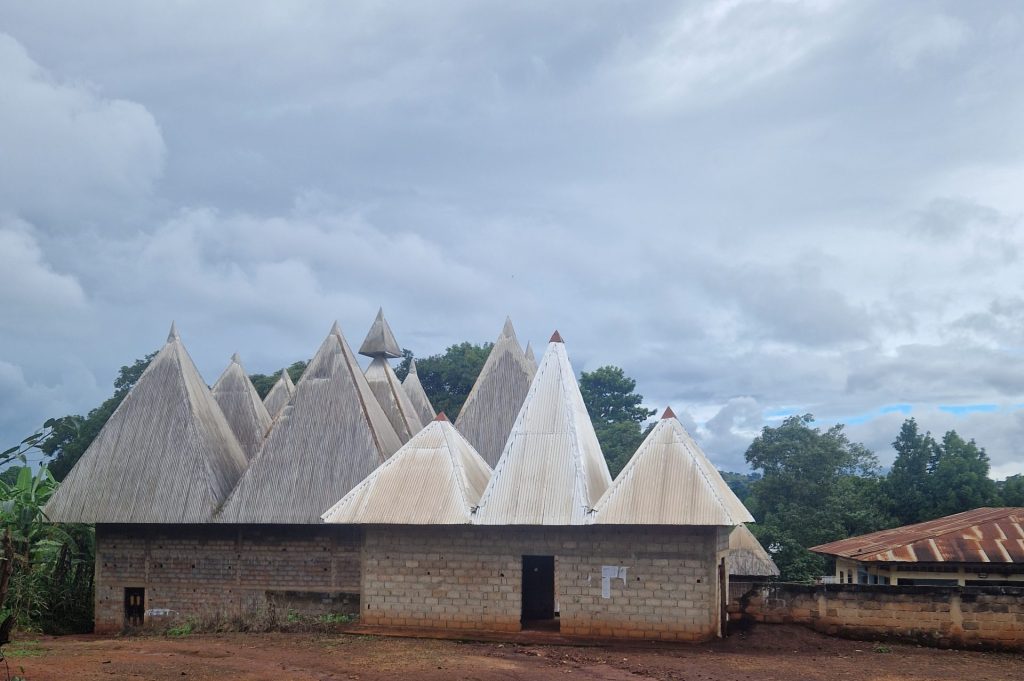
Administration for the Bamileke people means unity in diversity!