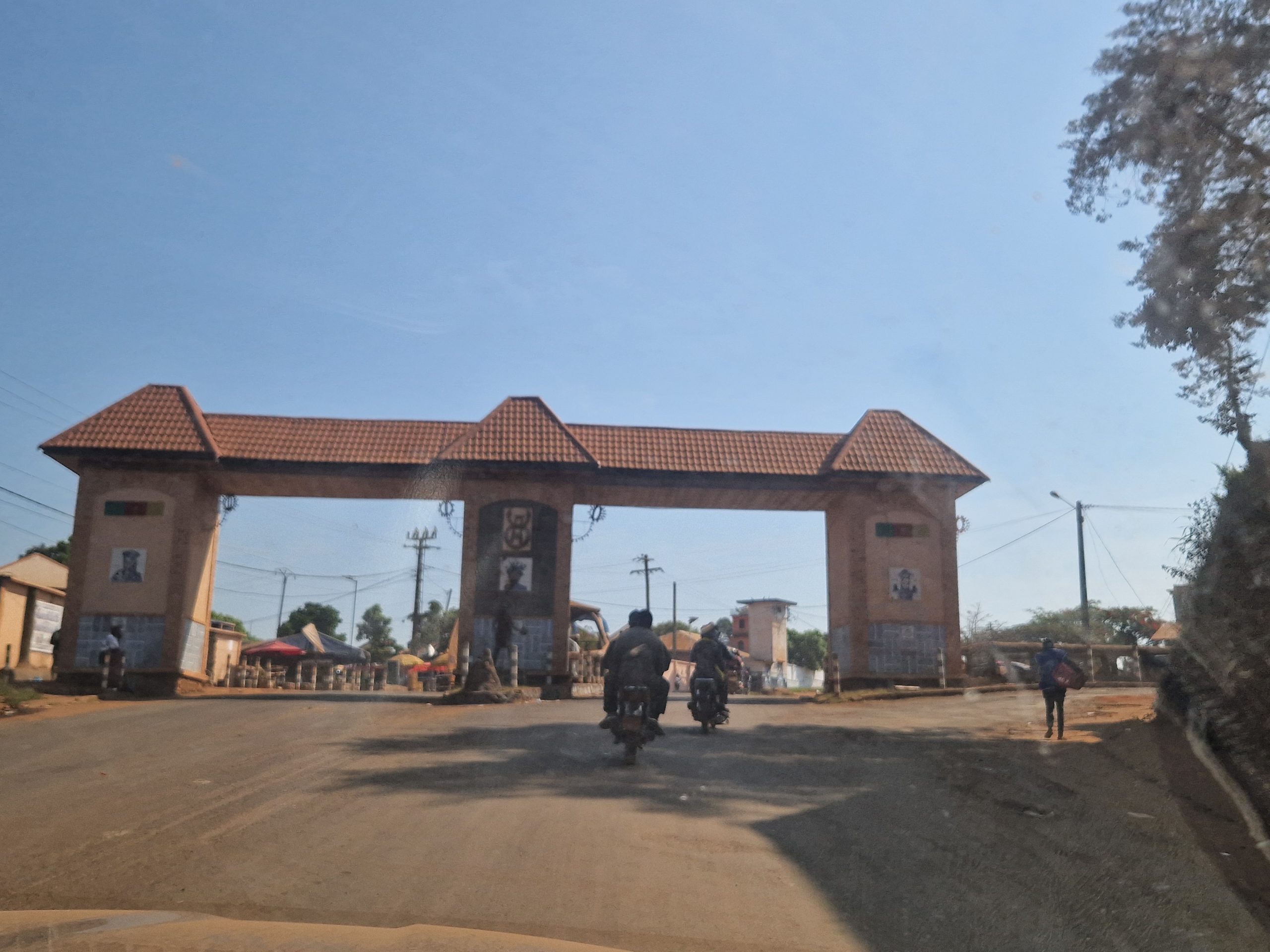


How the Bamileke People of Cameroon Use Relationships to Set Dates and Determine Age
In my previous post, I explained how the rooster and the sun were used by the Bamileke people of Cameroon to tell time during the day and night. But how do they determine a person’s age or the date of an event without modern calendars or official documents? The answer lies in a fascinating cultural approach: relationships and contextual references.
How Do the Bamileke Determine a Person’s Age?
Among the Bamileke, age is not always verified through birth certificates. Instead, they rely on physical indicators and family references. I remember my first day at school vividly. My father accompanied my brothers and me for enrollment. The school director didn’t ask for any papers. Unsure if I was old enough, he asked me to perform a simple test:
“Pass your right hand over your head and touch your left ear.”
I tried my best, but my hand couldn’t reach my ear. The verdict was clear—I wasn’t old enough. My father had to request a special exemption so I could attend as an auditor until the following year.
How Do They Determine the Date of an Event?
Dating past events among the Bamileke involves a network of relational markers. These can include:
- A major event in the village
- The reign of a specific chief
- A notable weather phenomenon
- A solar or lunar eclipse
For example, to indicate when a house was built, someone might say:
“It was during the full moon after the peanut harvest, under Chief Fotso’s reign. The work started on a Sesu and lasted two weeks until Ntamdze.”
Setting Future Dates: A Relational Approach
When fixing a future date, the Bamileke combine seasonal and lunar references. For instance, to schedule a wedding, they might say:
“The wedding will take place on the Gosuo of the new moon during the sweet potato planting season.”
The Dynamic and Relational Nature of Time
What’s truly remarkable about the Bamileke concept of time is its dynamic and relational character. Time is not seen as a cold, rigid entity. It is alive, expressed through connections and community. For the Bamileke, time is created collectively, woven into a fabric of relationships that give it color, meaning, and flavor—all in service of life.
What About Your Culture?
How do people in your culture determine age or dates without relying on official documents? Share your thoughts in the comments!
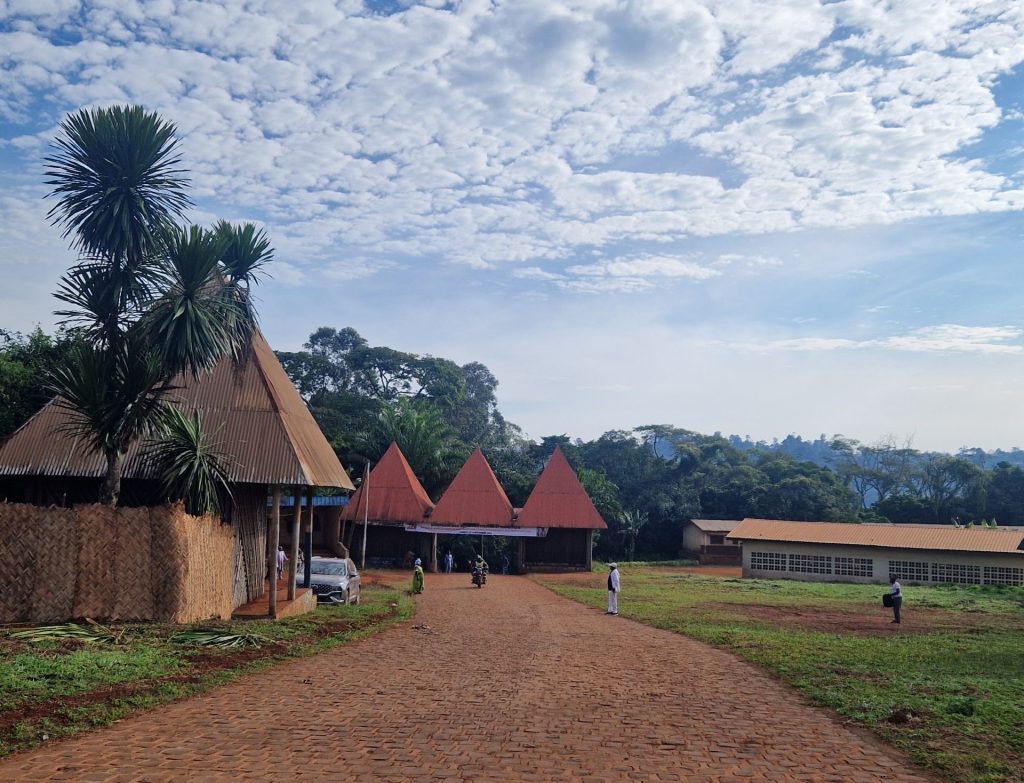
Curious about how the Bamileke people can sense whether something good or bad is about to happen?
Stay tuned—my next post will reveal the fascinating ways this community interprets signs and omens.
Don’t miss it!