

The Rooster and the Sun: Masters of Time Among the Bamileke People
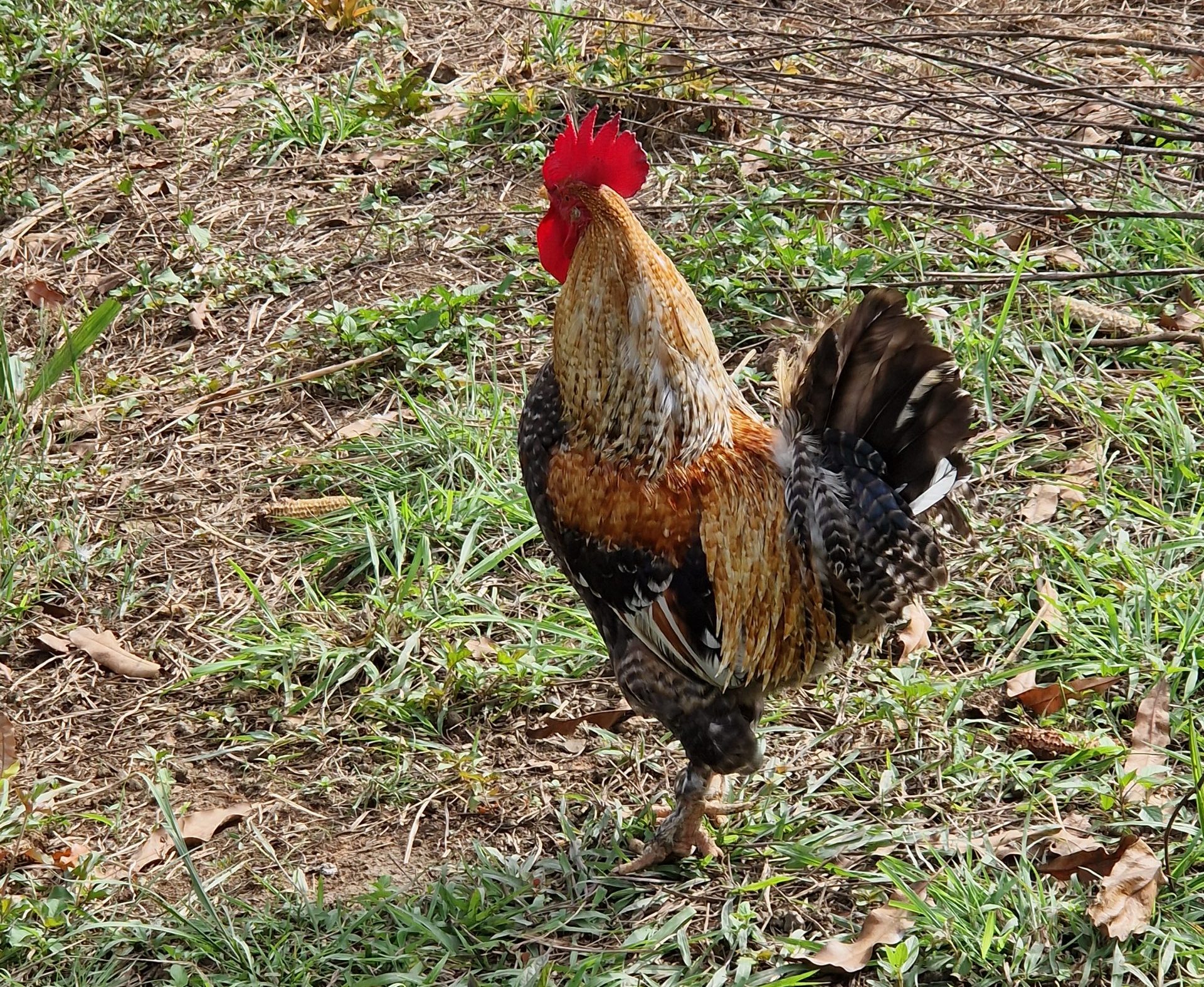
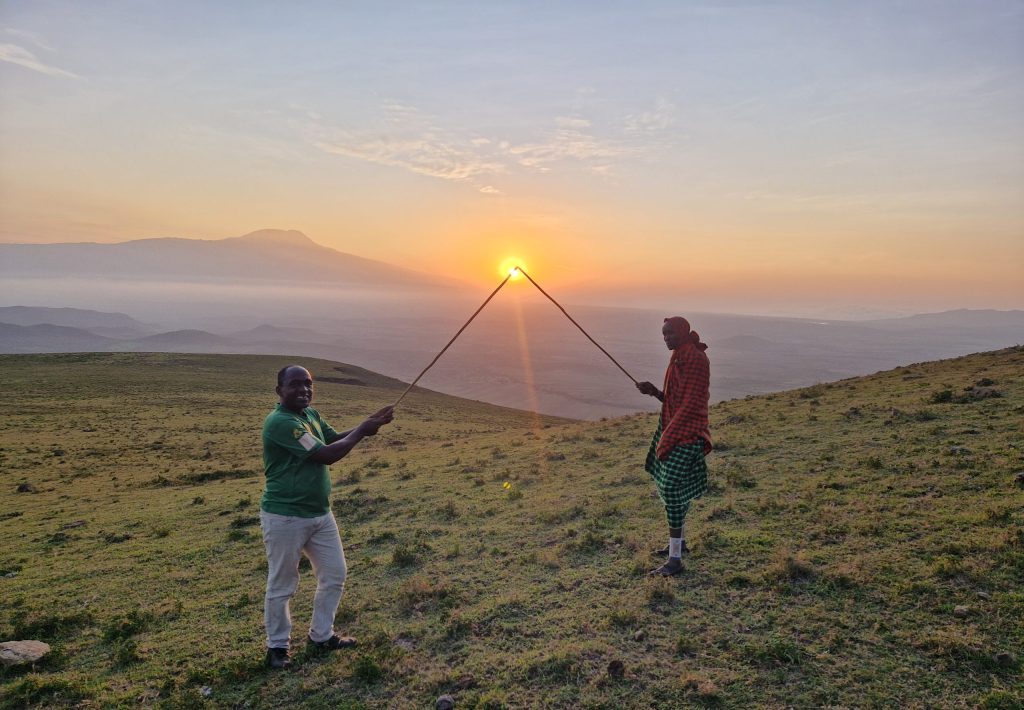
Do you remember the pictures of this rooster in my last post and the question that followed? Or the photo of me holding the rising sun? Today, let’s uncover their meaning.
The Rooster: The Nighttime Timekeeper
In Bandjoun, a village in Bamileke land (Cameroon), the rooster was more than just a farm animal—it was a household timekeeper. Every family wanted a strong, healthy rooster because its crow marked the rhythm of life in the community.
Here’s how it worked: if we had to rise early for the farm, my parents would agree on a time based on the rooster’s crow. The rule was simple:
- Second crow = time to get ready.
- Third crow = you’re late!
Even our companions from other neighborhoods understood this system. The rooster was our alarm clock, our schedule manager, and our trusted friend.
This is where Ubuntu philosophy comes alive: “I am because my rooster is.” My punctuality depended on my rooster’s commitment to crow at the right time. In return, I cared for it—feeding, sheltering, and protecting it—because it cared for me.
And what if you didn’t own a rooster? No problem! In the village, roosters worked for everyone. You could always hear one crowing nearby. The best roosters even attracted hens from other homes. I remember my mother sending me with our hen to visit a strong rooster in another neighborhood. After a few days of these visits, our hen began laying eggs—and soon, nine little chicks were roaming around our yard. That was community life in Africa at its best.
The Sun: The Daytime Master
If the rooster ruled the night, the sun governed the day. In the tropical zone near the equator, days and nights are almost equal—12 hours each. As children, we learned to tell time by observing the sun’s position and the shadows around us.
- Morning: The shadow of the banana plant beside our house told us the time before noon.
- Afternoon: The shadow of our house on the courtyard guided us.
- Noon: My father’s rule was simple: “When your shadow is under your feet, it’s noon.”
Even when moving around, my shadow was my personal time indicator. Its length and direction revealed the hour.
But what about cloudy or rainy days? Then, timekeeping became an art. Adults relied on experience—how long we’d been in daylight, when the sun last appeared, or even how long a local dish like Koki had been cooking. My father had an incredible sense of time, and I believe this is something we humans should cultivate and pass on. Time is not against us—it’s for us. It invites us to create meaningful moments with loved ones and live in harmony with nature.
Your Turn
How do people in your culture determine the hours of the day? Share your stories in the comments—I’d love to learn from you!
And stay tuned for my next post: How the Bamileke People Determine Age and Dates of Important Events. You won’t want to miss it!
[1/2, 9:50 AM] SPES NON CONFUNDIT: Incredible. I remember my grandmother telling me the time whenever she hears the roster crews
She would equally look at her shadow and the position of the sun to tell time
Thank you for your contribution. I’m happy to know that other cultures used a similar system.
One of my favourite sayings is: Europeans habe the clock, Africans have the time 🤯 This story shows that a clock is not needed 😉