

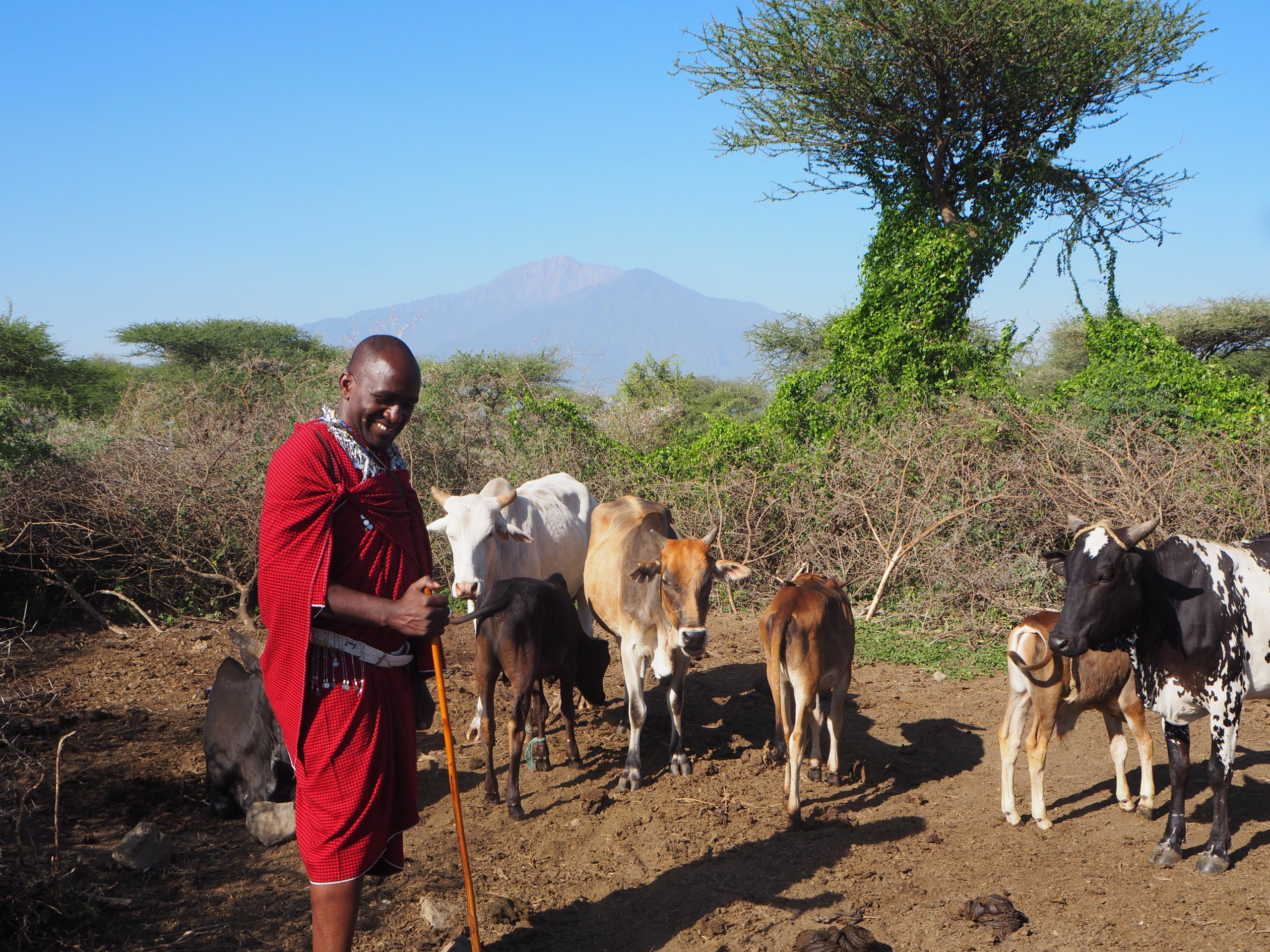
A journey into Maasai culture in Tanzania: discovering the central role of elders, the transmission of wisdom through experience and love, and how tradition welcomes innovation.
Initiation into African Wisdom: What I Learned Among the Maasai
In the year 2025, my profound desire to explore Africa’s cultural richness and immerse myself in its traditions led me to Tanzania, to the Maasai people—my dear brothers and sisters. They are a courageous community, proud of a beautiful heritage they continue to pass on to younger generations. I felt warmly welcomed and deeply reconnected to my African roots in this region of East Africa.
In the coming blog posts, I will share with readers some of the lessons I learned during my stay. The first lesson of wisdom concerns the place of elders in society.
Elders: A Compass for Maasai Youth
During my stay with the Maasai, I engaged in long and enriching conversations with young people who generously shared insights about their culture. All of them emphasized one key point: “The role of the elders is the compass of our society.”
I wanted to understand why they placed such importance on their elders. Looking back, I can summarize their explanations in two statements:
We trust the wisdom of our elders because they have experience—and because they love us.
Wisdom Born from Experience
The Maasai have managed to maintain a symbiotic relationship with the natural environment in which they live. Such a relationship cannot be improvised. Over generations, they have learned—by carefully observing natural phenomena—how to survive and thrive in often challenging contexts.
The Maasai are primarily itinerant herders. Moving with cattle and goats requires knowing how to:
- navigate long distances,
- identify fertile grazing areas,
- defend the herd against wild animals,
- care for sick livestock and prevent epidemics,
- endure hunger when necessary and nourish oneself with the blood and milk of one’s own animals, and much more.
This knowledge does not come in a simple handbook given to each young Maasai. Instead, it is transmitted drop by drop by the elders, during conversations while walking—and especially in the evenings, around the fire lit at the camp to warm themselves and prepare food when needed.
Wisdom Passed Down Through Love
A young Maasai listens attentively to the advice of the elders because he knows they love him. He knows the elders desire his well‑being. He also trusts their life path: one becomes an elder only after completing the stages of initiation.
For their part, elders feel proud of the presence of young people, for they are the ones who will transmit the culture to future generations. Elders are aware of the challenges they themselves have faced and feel responsible for preparing the youth.
They collectively serve as an ethical reference point in society, determining—whenever doubts arise—what is good for the community and what is not.
The Role of Elders and Social Change
While we were discussing the wisdom of their elders, I could not resist asking my Maasai brothers a question: Is there room for novelty in your society?
They smiled and replied, “Yes, there is room for new things—with the consent of the elders.”
They explained: if a young Maasai discovers something new that the elders are unfamiliar with, the elders will question him to understand all the details. They will then take time to consider its potential impacts on humans, animals, and the natural environment.
- If doubts remain unresolved, the innovation will not be accepted.
- But if they find it beneficial for the community, they will authorize its use.
In the coming days, we will explore other aspects of Maasai life that I experienced during my stay among them.
And you—what place do elders hold in your own culture? How is experience transmitted where you come from? Share your thoughts in the comments.
#AfricanWisdom #MaasaiCulture #AfricanTraditions #CulturalHeritage #Afrijohn #TanzaniaJourney #AfricanIdentity #IntergenerationalWisdom #StorytellingAfrica #JeanDeDieuTagne
Waoh!! Thank you Father Jean de Dieu for opening me up to African cultures. Especially that of the messai which I have just read through.
You are welcome Kelvin. We need to know our cultures and to share it with the world, since every culture is a patrimony or matrimony of the whole humanity.