
A deep dive into Maasai identity through their intimate relationship with cattle—an initiation into responsibility, ecological wisdom, and the ancestral art of caring for the animals that sustain life.
My Initiation Among the Maasai: The Art of Caring for the Animals That Care for Us
Yesterday’s article focused on the first visible element of Maasai identity: their clothing. But there is more. For the Maasai, cattle and goats are also essential components of their visible identity. Indeed, the Maasai are widely known as a nomadic herding people. One could even say that the size of a Maasai’s herd is a visible measure of wealth.
Success in life means knowing how to care for the herd—because the herd, in return, takes care of its owner. This relationship is lived almost as a ritual: the first task of the day is always to care for the animals, and the rhythm of daily life is organized around their needs. This care includes opening the enclosure, checking the health of the animals, and leading them out to find fresh grass.
An Ecological Security System
Every evening, the Maasai build an enclosure around their animals to keep the herd together and protect it from possible nighttime attacks. Watching this enclosure taught me something remarkable: their ability to create a security system that is both effective and ecological.
The Maasai protect their animals using natural elements. Through knowledge passed down from generation to generation, they know exactly which trees have branches covered with strong thorns. Using the knife tied to their hip—or simply the strength of their arms—the herders gather these thorny branches to build a protective circular fence.
This natural barrier is designed so that no animal can wander away and no predator can enter. When they move, the Maasai take only their animals with them; the thorn branches remain behind to decompose naturally.
A beautiful lesson in ecology, isn’t it?
Caring Begins with Knowing
A Maasai knows every animal in the herd. For an outsider, it may look like just a herd, but for a Maasai, each animal is unique. He knows its needs.
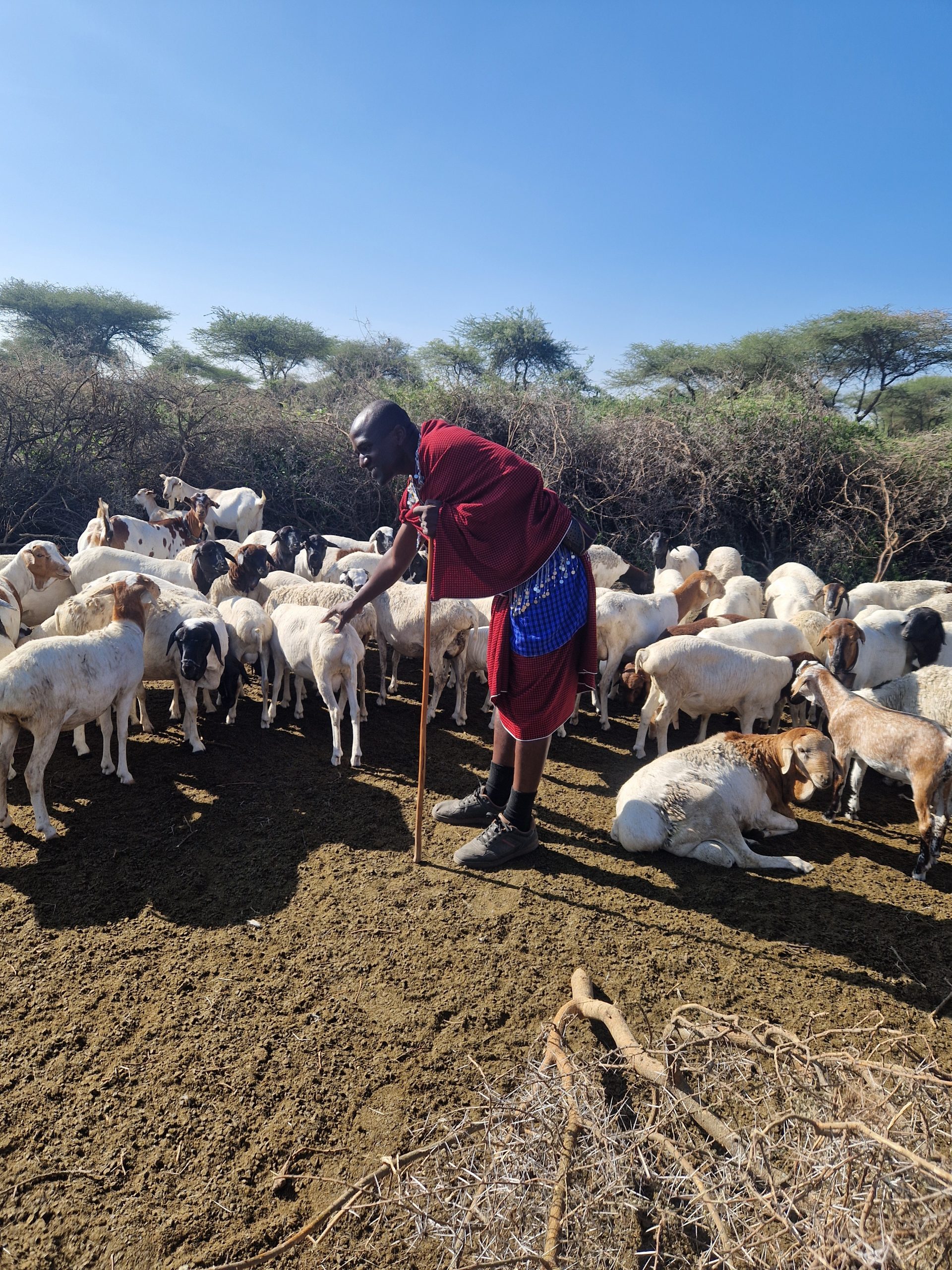
I observed my guide walk up to each animal, look at it closely or touch it briefly before letting it leave the enclosure. Curious, I asked him what he was doing. He answered that he was checking the health of each animal.
This morning examination allows him to detect whether an animal is injured, limping, or affected by parasites. He also identifies pregnant animals and monitors the progress of their gestation.
All this information, gathered early in the morning, determines how the herder will organize the rest of the day—how far to walk, from which animal to draw milk or blood for his daily ration, and more.
A Strong Sense of Responsibility
Caring for the herd builds in the young Maasai a powerful sense of responsibility. I learned that this responsibility is even the measure of honor and bravery within the clan.
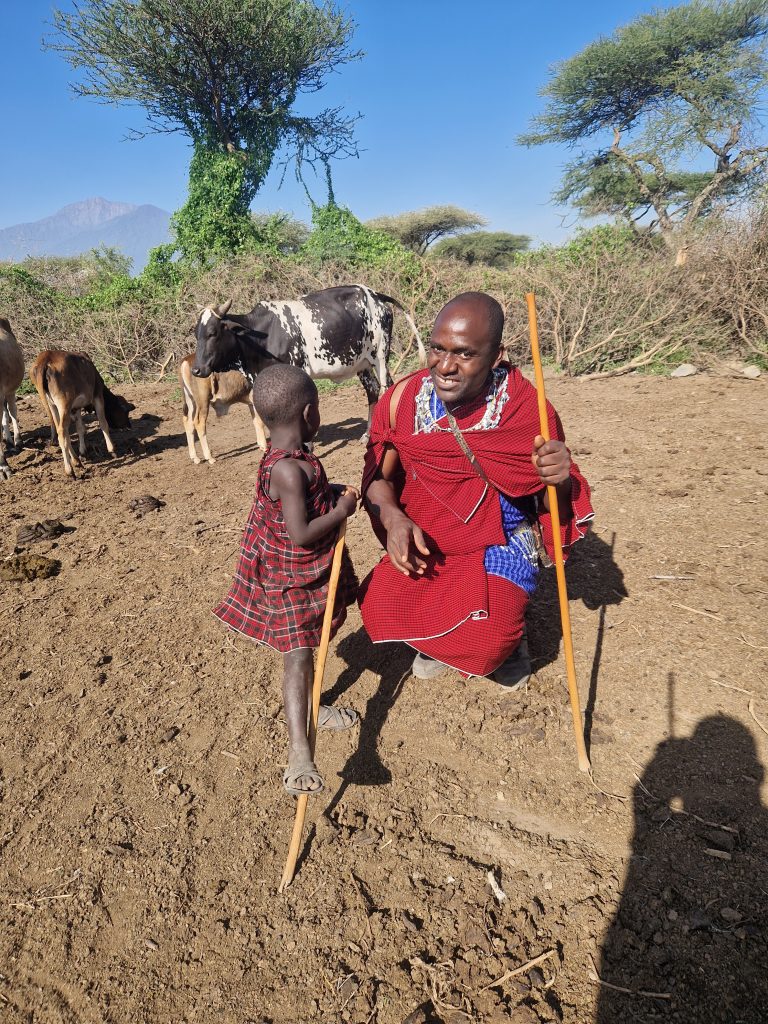
Because of its importance, the training in responsibility begins very early in every Maasai family. A child must learn from a young age to take care of the herd, because the herd will determine the course of his entire life.
As my guide explained the depth of this responsibility in Maasai education, I suddenly understood something that years of studying the Bible had not revealed to me in the parable of the shepherd who leaves the 99 sheep on the mountain to look for the one that is lost.
Reading this text through the interpretative lens offered by my Maasai initiator will be the topic of an upcoming blog post.
And you—how do people care for animals in your culture? Share your experience in the comments.
#Afrijohn #AfricanCulture #MaasaiTraditions #CulturalIdentity #InitiationRites #SymbolicClothing #EastAfrica #IndigenousKnowledge #CulturalWisdom #HeritageAndIdentity