

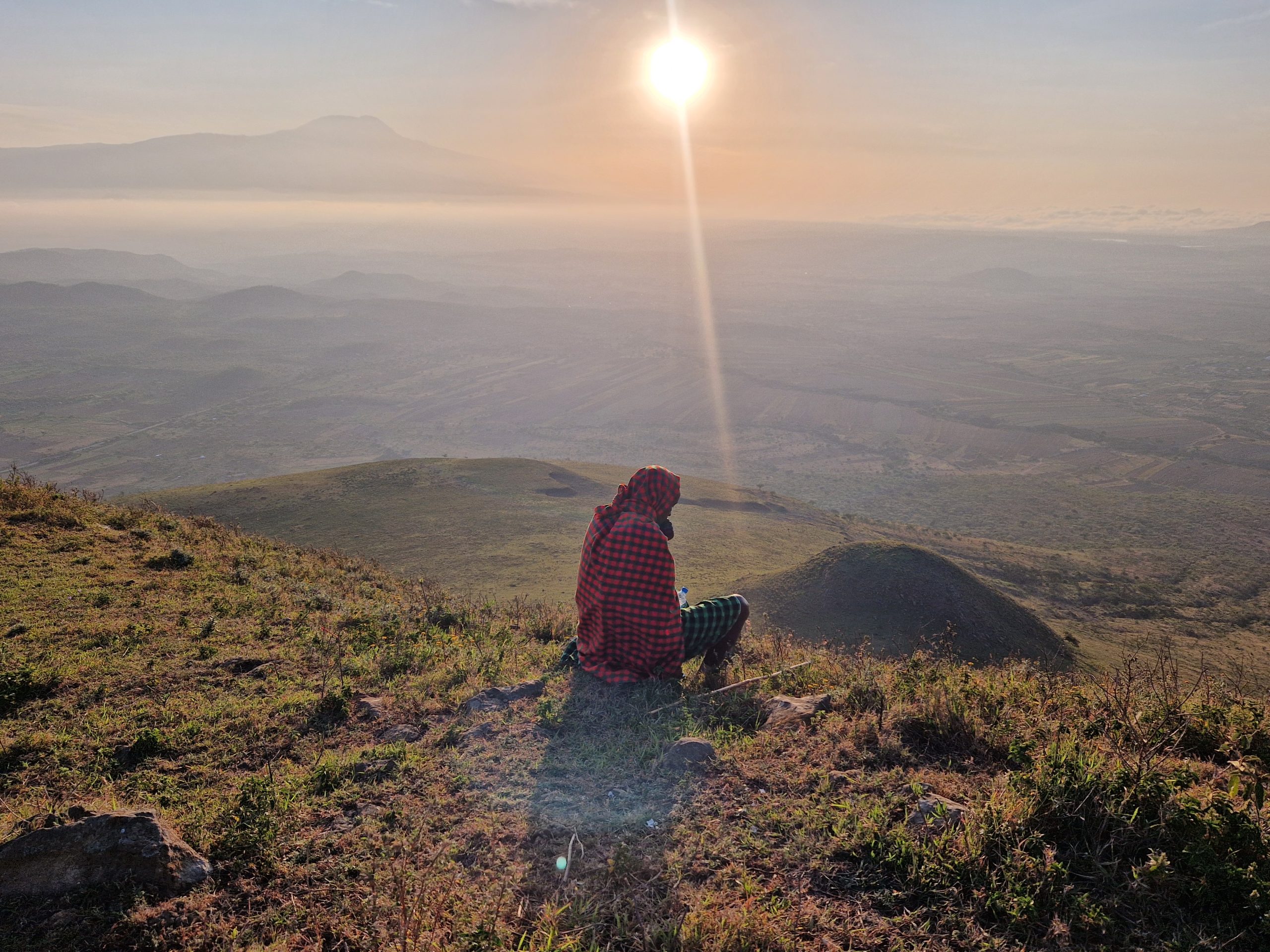
An intimate look into a Maasai evening around the fire—where stories, wisdom, and ancestral knowledge replace screens, nurturing community bonds and shaping the identity of future generations.
My Maasai Initiation – Step 9: Evening Around the Fire, or “Maasai Television”
The expression “Maasai Television” was used by my guide to help us understand what the Maasai do not do. They do not sit in front of a television after sunset. Instead, they gather around the fire to share soup and meat.
In this solemn moment at the end of the day, the Maasai transmit, from generation to generation, the spoken wisdom that shapes the community.
As we received small pieces of meat, we were also receiving the teachings of an elder. He shared with us the myths and stories that constitute the symbolic universe of the community. Afterwards, he answered the questions asked by the young people. I observed a special kind of conversation unfolding in this unique atmosphere.
Conversation Around the Meal: A School of Wisdom
In the Maasai initiation process, conversation holds great importance. Here, conversation begins with attentive listening—listening to the life experience narrated by the village elder without interrupting. Only afterward may the young people ask questions, seeking clarity and deeper understanding of the wisdom being transmitted.
For the Maasai, conversation is not a debate about who is right.
Conversation is, above all, listening.
The village elder speaks, and the others listen. In this context—during a shared meal where trust is palpable—the elder conveys what the youth must know:
- the founding myths of the community,
- the taboos,
- the duties,
- and even the obligation to pass on the same knowledge to the next generation.
The elder transmits what he himself has received, enriched by what his years of experience have taught him. The young listen, and by listening, they insert themselves into a story that reveals the essential elements of their identity.
The story told by the elder becomes their story.
Around the fire, conversation also includes questions. The young ask questions not to challenge ancestral wisdom, but to better understand it. Through these questions, the elder knows where to insist, how to formulate the warnings more clearly, and how to indicate the pitfalls to avoid in order to live an honorable life and eventually transmit the culture to the next generation.
Presence, Sharing, and Togetherness
At the end of this day of initiation into Maasai life, I understood something profound:
presence—expressed through active participation in daily activities, shared meals, and shared words—is a foundational element of living together.
This kind of presence cannot be replaced by beautiful theories, books, or documentaries. In this world, the necessity of others is self‑evident.
One is Maasai because one is with others:
- sharing a common past,
- facing the challenges of the present together,
- and preparing the younger generation to encounter the future with its certainties and uncertainties.
Concluding Notes
I end this page by expressing my deepest gratitude to all my Maasai friends. They are truly my brothers and sisters. They opened their doors and their hearts to me and did everything to make my stay a meaningful experience.
I can say with the certainty born of lived experience: when you stay among the Maasai, you learn to appreciate the simplicity of life.
It is in the depths of this unhurried simplicity—lived step by step as I have recounted—that one discovers a unique joy in living, protecting life, and transmitting life. This is the essence of the courageous Maasai people.
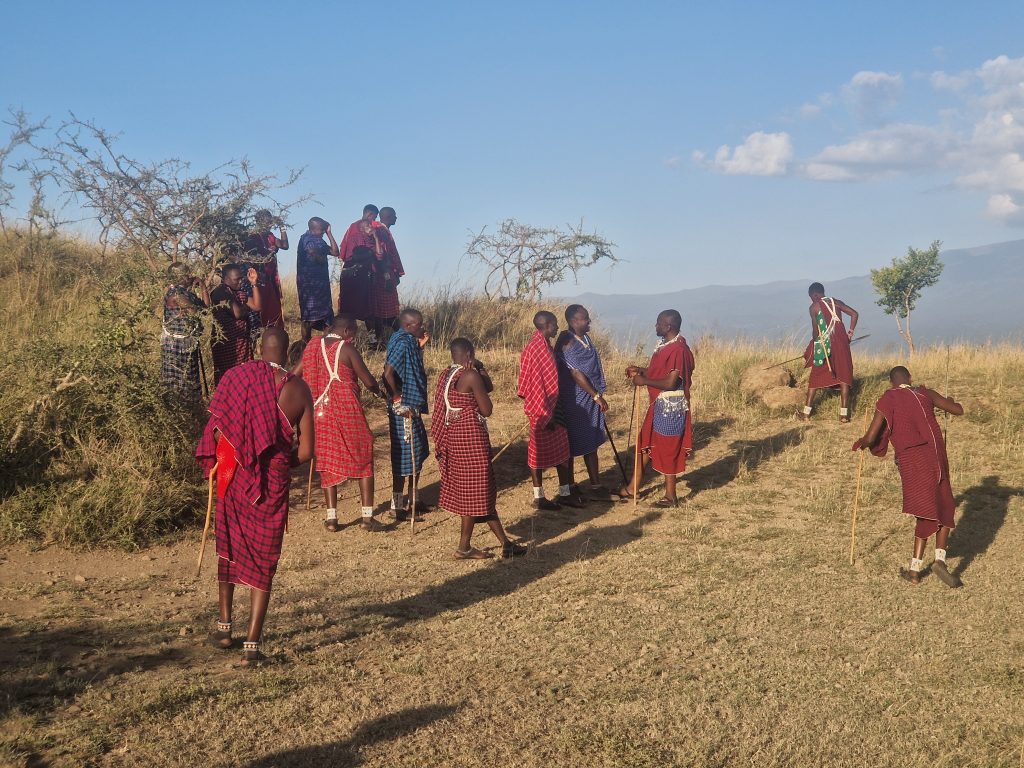
It was great to share the moment of joy and togetherness!