

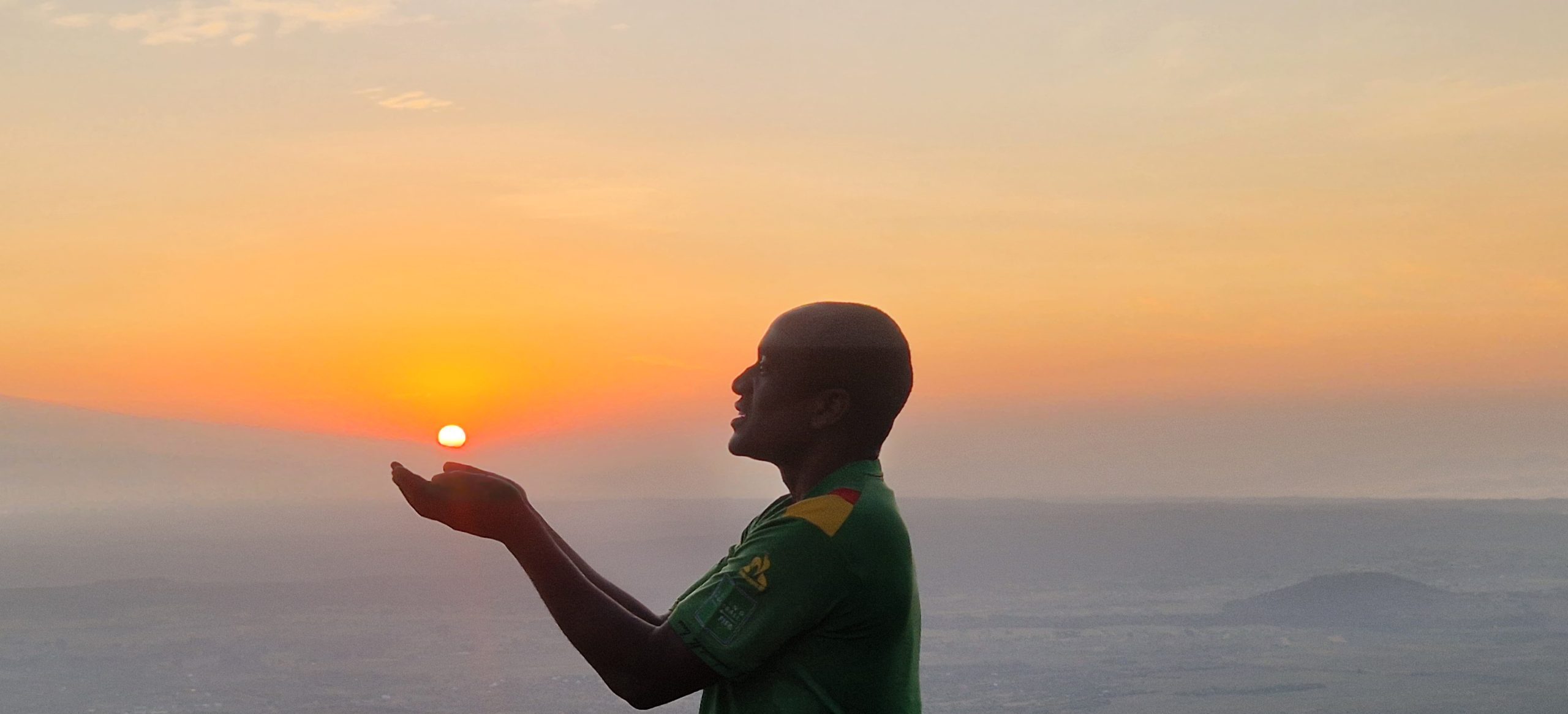
Time Among the Bamileke People of West Cameroon: A Different Rhythm of Life
When we celebrate the New Year on January 1st, it feels universal—like the whole world is turning the same page. But have you ever wondered if time is perceived the same way everywhere? The truth is, it’s not. What we follow today is the Gregorian calendar, a Western system adopted globally. Yet, many cultures have their own ways of marking time—the Chinese calendar, the Maya calendar, and countless others.
Among the Bamileke people of Cameroon, time flows differently. Their traditional calendar is deeply rooted in nature, agriculture, and cultural heritage. Let’s explore this fascinating perspective.
Two Seasons, Not Four
For the Bamileke, a year is divided into two main seasons:
- Rainy Season – when the skies open and the land flourishes.
- Dry Season – when the rains retreat and the earth rests.
Insiders even distinguish between the small rainy season and the big rainy season, subtle shifts that farmers know by heart. This reflects the African agricultural calendar, which prioritizes farming cycles over arbitrary dates.
Months Guided by the Moon
Forget flipping through a paper calendar—the Bamileke look up to the sky. The lunar calendar determines the month:
- New Moon – the beginning.
- Full Moon – the middle.
- Waning Moon – the end.
Each month is tied to agricultural practices, signaling what needs to be planted, harvested, or cared for in the fields. This is a perfect example of traditional timekeeping in Africa, where nature offers the rhythm of life.
An Eight-Day Week
Here’s where it gets even more interesting: the Bamileke week has eight days, not seven. This extended rhythm allows time for everything—work, rest, markets, and celebrations.
In Bandjoun, one of the Bamileke heartlands, the days are named:
- Dzedze
- Ntamdze
- Sesu
- Gosuo
- Dzemto
- Ntamgo
- Tyepfo
- Shyenku
Each day has a purpose. For example:
- Dzedze – the big market day. Villagers gather to trade goods and prepare for the next day. Girls born on this day are often named Djuidje.
- Ntamdze – the funeral day. Among the Bamileke, funeral traditions are grand celebrations with music, dance, and feasting.
This Bamileke eight-day week shows how African perception of time prioritizes community and balance.
Living Between Two Calendars
Today, the Bamileke navigate two calendars: the Western seven-day week and their traditional Bamileke calendar. Planning an event—say, a funeral—requires aligning both. If you want it on a Saturday, you must check which Saturday coincides with Ntamdze.
This constant negotiation with time teaches a profound lesson: time is relative. It can be organized to serve life, not the other way around.
What Can We Learn?
In a world where stress and deadlines dominate, the Bamileke approach invites us to rethink time. Could we design our days and months to prioritize what truly matters—family, community, and balance?
Coming Soon: In a follow-up post, we’ll dive deeper into the meaning of each Bamileke day and the cultural activities tied to them. Stay tuned!
What do you think? Could this perspective inspire a healthier relationship with time in your own life? Share your thoughts in the comments!
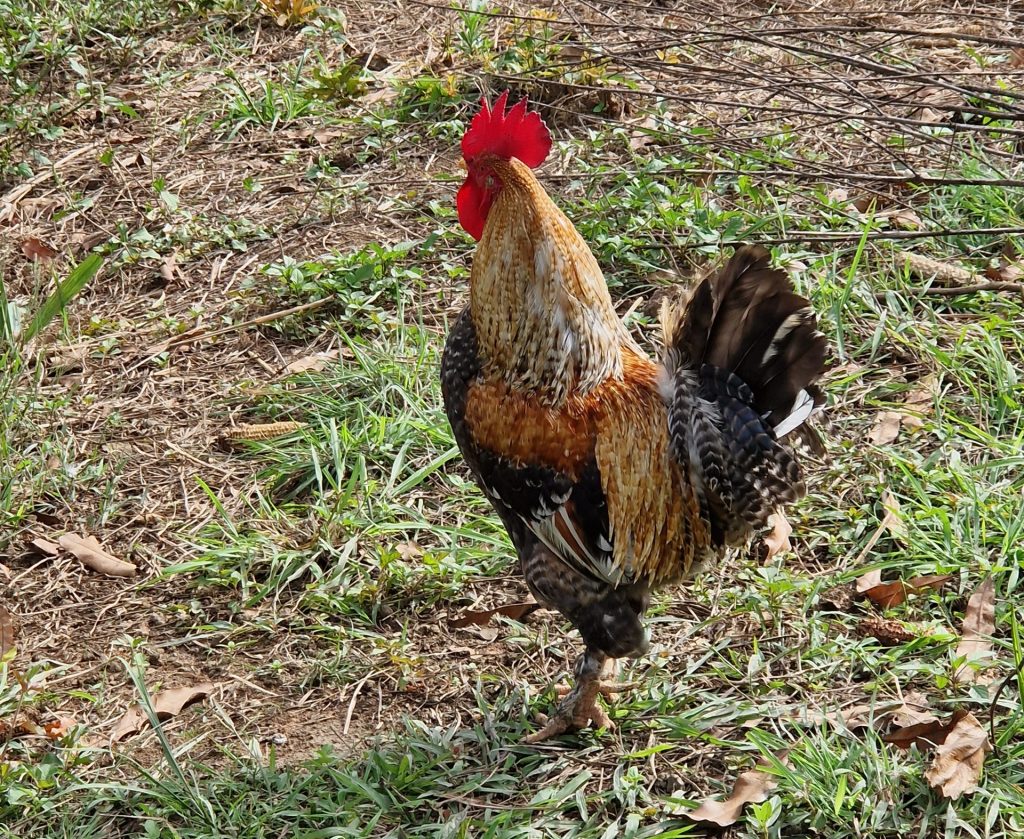
Can you guess what connection there is between the rooster and the concept of time among the Bamileke people, as well as many other peoples?


This is deep and Africa.
I really appreciate this writeup. It should be done in all cultures across Africa.
Why the calendar you cited above dominates is because of harmony, the popularity it carries and other things..
This is a deep reflection for us to reflect.
Am convinced that it will start working for us africans when we upset all these western perspectives and universalism they have put us into.
Let everything be 🌍 Africanized.
See Burki fasso now.
See even China, they distorted the system so as to receive true freedom.
Momiento mei et invicem.
Dear Isidore,
Thank you sincerely for your thoughtful feedback, which reflects your genuine interest in this important topic. I fully agree with you that the work we are doing should be embraced across all cultures in Africa—and indeed, across the world.
At the same time, it is essential to recall the mindset that guides our reflections. Our approach is not about opposing any perspective; rather, it is about affirming our own. We seek to bring to light the wisdom embedded in our cultures—wisdom that serves the good of humanity today, honors future generations, and pays tribute to our ancestors.
Ubuntu reminds us: “I am because we are.” My humanity is deeply connected to yours. In a diverse and vibrant world, we need one another to thrive.
I look forward to continuing this enriching conversation with you and our friends.
Wishing you a joyful and prosperous New Year!
Warm regards,
John