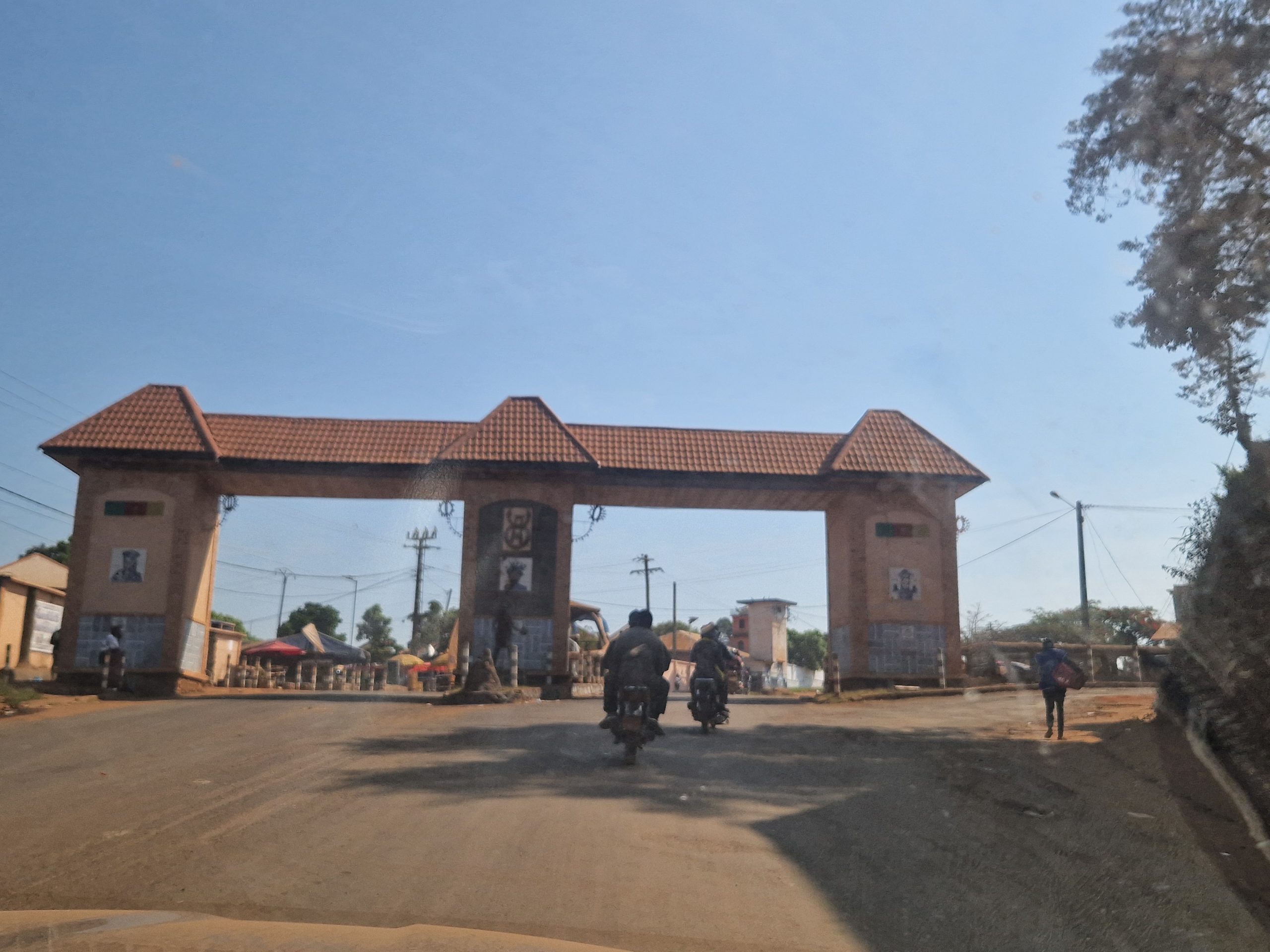

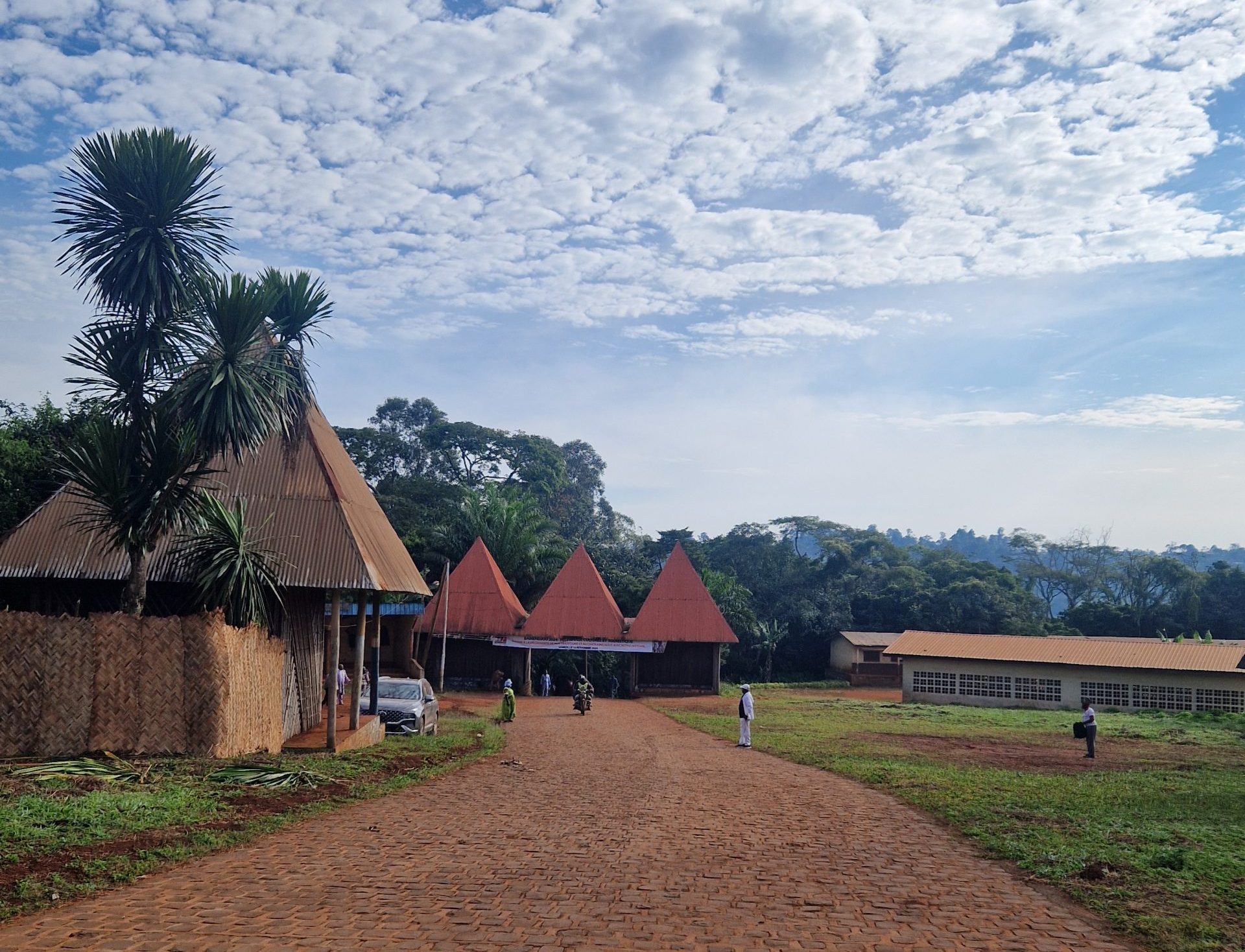
Bamiléké chiefdoms are strategically and ecologically positioned in valley areas, combining geographical intelligence with environmental protection. Discover how this ancestral administrative system embodies harmony with nature and long-term sustainability.
The Administrative System of the Bamiléké: A Strategic and Ecological Location
Yesterday, I mentioned my origins: the Fochie Chiefdom of Mbouo in Bandjoun. That mention may explain my fascination and deep interest in making known and respected this administrative heritage of the Bamiléké people—an invaluable patrimony of humanity. This heritage, which has survived the upheavals of history, now has the opportunity in our generation to renew itself and reclaim its rightful place among the peoples of the earth.
Today, I turn to the location of administrative entities among the Bamiléké.
Allow me to use the word chiefdom for clarity, even though something within me suggests that the words chiefdom or kingdom do not fully capture the reality of Bamiléké administrative structures.
One thing, however, is clear: all Bamiléké chiefdoms are located in valley areas and possess a sacred forest.
A Strategic Location
The Bamiléké people have a profound knowledge of their geography, and thanks to this understanding, they positioned the residences of the chief and of high-ranking notables in the valley bottoms.
Indeed, it is in the valleys of this mountainous region that one finds the water sources, the most fertile lands, and the forest.
Unlike the colonial administration, which chose hilltops in order to dominate and control, the Bamiléké settled in the valleys to live in harmony with nature.
Why the valleys?
- Proximity to water is vital for any human settlement.
- Soils are richer in the valley bottoms due to the erosion of the surrounding mountains, ensuring steady food production.
- Forests in the valleys provide essential hunting grounds.
In the Bamiléké worldview, life is more abundant in the lowlands.
An Ecological Location
In these valley areas, one particular place immediately draws the observer’s attention:
the sacred forest.
Every Bamiléké chiefdom has its own sacred forest.
These are spaces where human activity is strictly forbidden.
No one enters to collect firewood or to hunt—making them safe zones for both plants and animals.
The species that live there are entirely protected. They reproduce freely and maintain their lineage across generations.
When we were young, adults explained to us that we could not approach the sacred forest because the chief’s totem resided there. Each chief or great notable was believed to have a spiritual double living in the forest.
That is why the chief is called, for example, “Nom te ma’,” meaning “the animal that cannot or must not be attacked.”
This same word is also used to refer to the lion.
We were told that when a chief “disappears”—because among the Bamiléké, a chief does not die—specialized notables go into the forest to hunt for his totem.
A Harmonious Blend of Strategy and Ecology
This remarkable combination of strategic wisdom and ecological awareness is a hallmark of Bamiléké chiefdoms. It deserves to be preserved and even taught to other human communities, so that we may learn to inhabit the earth more responsibly.
We, the humans of this generation, must live well—
while preparing the conditions for future generations to live well too.
We must live fully—
while ensuring that plants, animals, and all forms of life can also flourish.
This is what the Bamiléké worldview can offer to humanity as a whole.
And you — what solutions does your culture offer to address the dual challenge of strategy and ecology?
I would love to read your reflections in the comments.
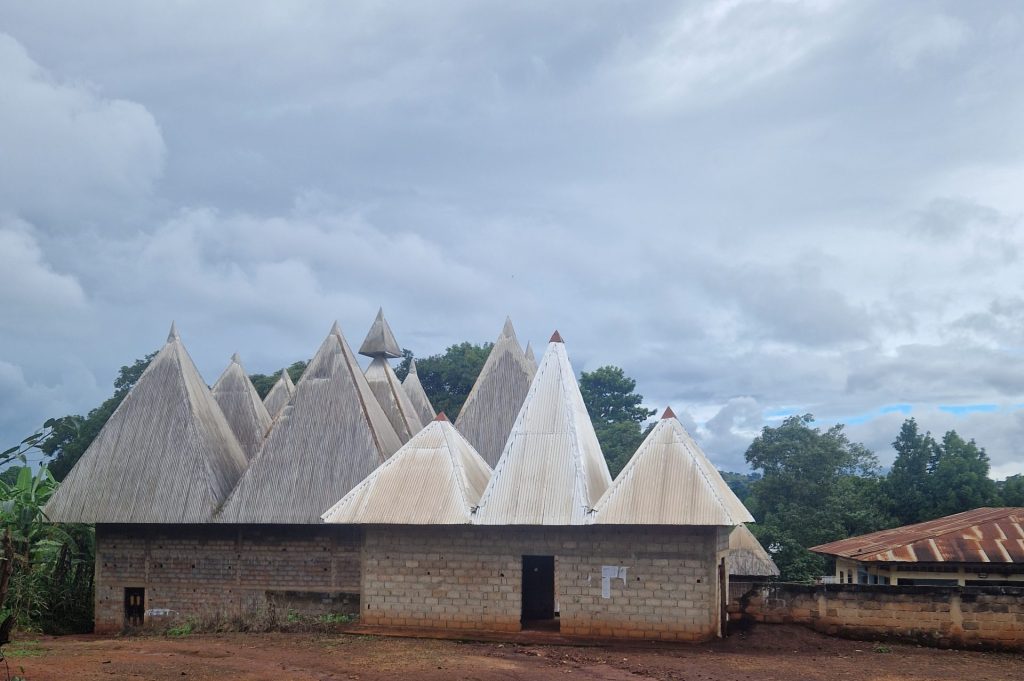
Administration for the Bamileke people means unity in diversity!